

Home > Cosmetic Surgery >
Tattoo Removal (Surgical Excision)
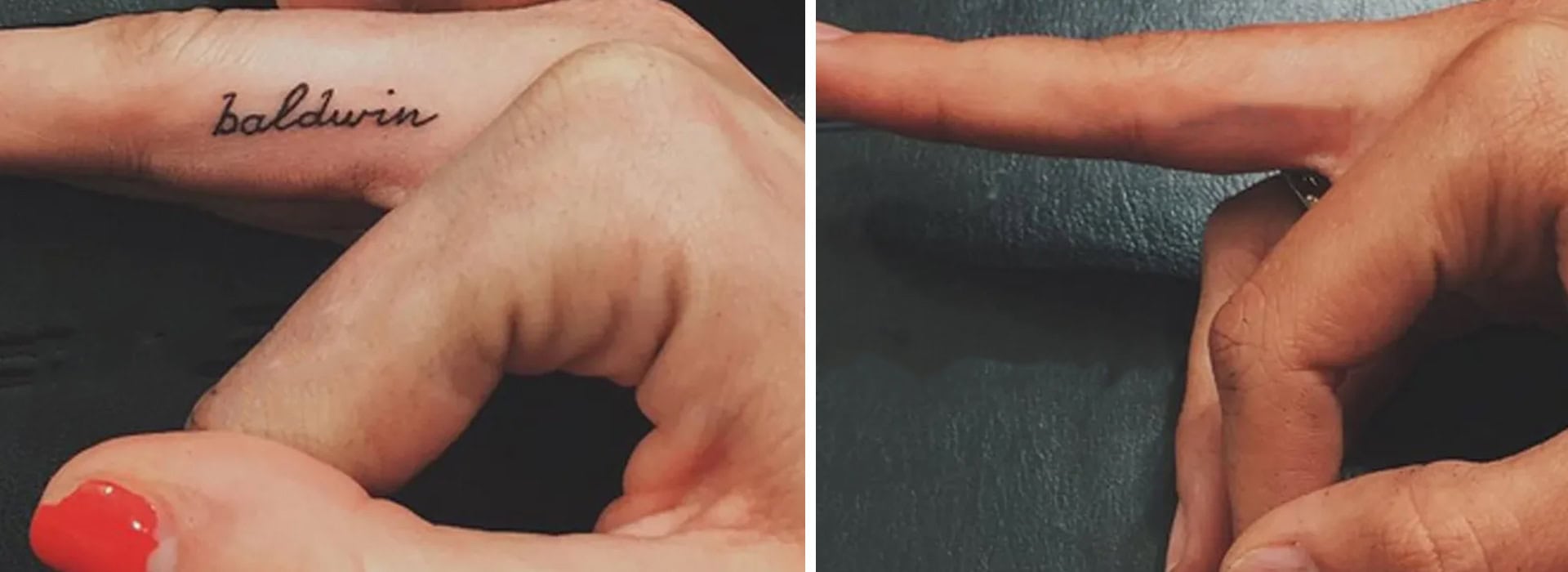
At The Braham Institute, we’ve seen a growing demand for tattoo removal, driven by evolving personal tastes, professional considerations, and aesthetic preferences. Among the available methods, surgical tattoo removal stands out as a reliable and effective option—especially for individuals seeking a swift, permanent solution. Unlike laser treatments, which often require multiple sessions over several months, surgical excision offers immediate results by physically removing the tattooed skin in a single procedure.
This method is particularly beneficial for tattoos that are resistant to laser treatment, such as those with deeply embedded ink or stubborn colours like blue, green, or yellow. It is also a practical choice for patients who want to avoid the long duration and cumulative cost of repeated laser sessions. Surgical excision is most suitable for smaller tattoos or those located in areas where the skin can be easily sutured after removal. In some cases, larger tattoos may also be treated through staged procedures.
Tattoo Removal Surgery In London
At The Braham Institute, we’ve seen a growing demand for tattoo removal in London, driven by changing personal preferences, career goals, and modern aesthetic trends. Among the available methods, surgical tattoo removal offers a reliable and effective solution—particularly for individuals seeking immediate, permanent results. Unlike laser treatments, which often require multiple sessions over several months, surgical excision removes the tattooed skin entirely in a single procedure, making it ideal for those who want fast and definitive results. This approach is especially useful for tattoos with stubborn or deeply embedded ink colours that do not respond well to laser therapy, such as blue, green, or yellow.
It is most suitable for smaller tattoos or those located in areas where the surrounding skin can be easily sutured after removal, though larger tattoos may be addressed with staged procedures if appropriate. One of the key advantages of surgical excision is its predictability—the tattoo is removed entirely, which means no risk of patchy fading or inconsistent results often seen with laser treatments. The procedure is carried out under local anaesthetic and performed with precision to minimise scarring and support optimal healing. Post-surgery, the skin typically heals well, and although a fine linear scar remains, it usually fades with time and proper aftercare. Surgical tattoo removal can also be more cost-effective for smaller tattoos, avoiding the expense and time commitment of repeated laser sessions. However, suitability depends on factors such as tattoo size, location, skin type, ink depth, overall health, and any history of abnormal scarring. At The Braham Institute, our experienced clinicians conduct a full consultation to assess whether surgical removal is the right choice. For individuals who have not seen success with other treatments or are simply looking for a one-time solution, surgical excision provides a safe, effective, and clinically led alternative.

Speak to a Patient Coordinator
Leave your details and we’ll call you back to discuss your options and next steps.

Tattoo Excision Procedure
At The Braham Institute, surgical tattoo removal is a precise, clinically led solution for individuals seeking the complete removal of unwanted tattoos—particularly in cases where other treatments, such as laser therapy, have proven ineffective or are not suitable. The most effective surgical method is excision, which involves carefully cutting out the tattooed skin and stitching the surrounding healthy skin together to close the area. This technique is especially well-suited to small to medium-sized tattoos, often allowing for full removal in a single procedure with immediate results. For larger tattoos, the excision may be done in stages, providing time for the skin to heal between sessions.
Surgical excision is particularly beneficial for tattoos with deeply embedded or stubborn ink, or those located in anatomical areas where laser treatment may have limited success. Although this approach does leave a linear scar, the procedure is performed with precision to minimise its appearance and support the best possible cosmetic outcome. For many patients, the predictability, speed, and permanence of this method make it a preferred choice. Surgical tattoo removal at The Braham Institute is delivered by skilled professionals in a safe, sterile environment, offering a reliable, one-time solution for those seeking complete and lasting tattoo removal.
What are the Risks Associated with Surgical Tattoo Removal?
occur and can include:
- Scarring
- Infection
- Bleeding
- Delayed Wound Healing:
- Changes in Skin Sensation
- Skin Discoloration
- Keloid or Hypertrophic Scarring
- Wound Dehiscence
- Asymmetry or Uneven Skin Texture
- Allergic Reaction
Recovery after Tattoo Removal Surgery
Initial Care: Keep the treated area clean, dry, and properly bandaged in the first few days. Avoid touching the wound with unwashed hands and follow all wound care instructions to reduce infection risk.
Pain Management: Some tenderness or soreness is expected after surgery. Use over-the-counter pain relief like paracetamol or ibuprofen, and avoid aspirin unless advised by your doctor.
Cleaning and Dressings: Gently cleanse the area as directed, apply prescribed ointments, change dressings regularly, and avoid swimming or soaking to prevent bacterial exposure.
Warning Signs: Watch for increased redness, swelling, warmth, discharge, or fever—these may signal complications and need prompt medical attention.
Physical Activity: Avoid strenuous activity that may strain the surgical site. Gradually reintroduce exercise once healing is underway to protect sutures and support results.
Sun Protection: Use high-SPF sunscreen or cover the area to prevent darkening or scarring from UV rays—especially important during the first few months post-surgery.
Ongoing Care: Follow all aftercare instructions, use moisturising or silicone-based scar treatments, gently massage the area after healing, eat a nutrient-rich diet, stay hydrated, and avoid smoking to support optimal cosmetic results.
Frequently Asked Questions
What is tattoo removal surgery via excision?
Tattoo excision is a surgical method of removing a tattoo by physically cutting out the tattooed skin and stitching the remaining skin back together. It is a highly effective option, especially for smaller tattoos or those resistant to other removal methods like laser treatment.
Who is a good candidate for surgical tattoo removal?
This procedure is ideal for individuals with small to medium-sized tattoos, especially if the tattoo contains deeply embedded ink or colours that don’t respond well to laser. Candidates should be in good overall health and have realistic expectations about scarring and healing.
Is the procedure painful?
The procedure is performed under local anaesthetic, so you won’t feel pain during the surgery itself. Some discomfort may be experienced afterward, but it is typically manageable with over-the-counter or prescribed pain relief.
How long does the procedure take?
The duration of the procedure depends on the size and complexity of the tattoo. Most small to medium tattoo excisions can be completed in under an hour.
Will I have a scar after tattoo excision?
Yes, surgical removal will result in a scar. However, the size and visibility of the scar depend on the tattoo size, the surgical technique used, and how well the wound heals.
Is surgical tattoo removal better than laser removal?
It depends on your specific situation. Surgical excision provides immediate and complete removal of the tattoo, which is beneficial for certain colours or deep ink that doesn’t respond to lasers. However, it does result in a scar and is better suited for smaller tattoos.
Speak to a Patient Coordinator
Leave your details and we’ll call you back to discuss your options and next steps.
