

Home > Cosmetic Surgery >
Mole/Intra-Dermal Nevus Removal
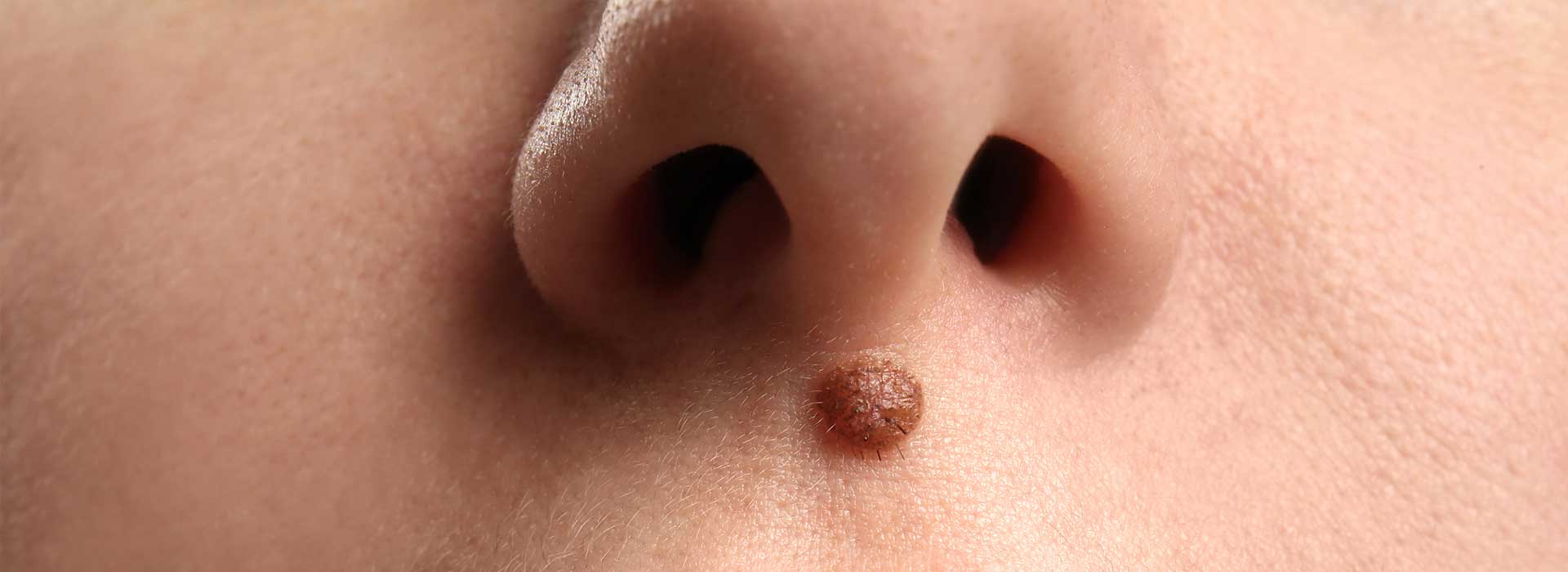
Moles that appear on the face or body can be safely and effectively removed using a procedure known as shave excision. This minimally invasive technique involves the use of a small, sterile scalpel to carefully shave the mole flush with the surrounding skin. The procedure is typically carried out under local anaesthetic to ensure comfort throughout. Shave removal is commonly chosen for cosmetic reasons, especially when a mole is raised, highly visible, or causing self-consciousness. However, it may also be recommended when a mole becomes irritated by clothing, causes discomfort, or restricts movement in areas such as the neck, underarms, or joints.
Mole Removal in London
Moles, or naevi, are common pigmented skin growths caused by clusters of melanocytes, the skin’s pigment-producing cells. They can appear anywhere on the body and vary in size, shape, and colour—ranging from flesh-toned and pink to brown, black, or even blue. Most moles are harmless and develop during childhood or adolescence, though some are present from birth. Genetics largely determine how many moles a person has, but sun exposure, especially to ultraviolet (UV) radiation, can increase their number and alter their appearance.
While most moles are benign, any noticeable changes in size, shape, colour, or texture—especially those that itch, bleed, or scab—should be assessed by a medical professional, as these may be early signs of melanoma, a serious form of skin cancer. At The Braham Institute, mole removal is offered both for cosmetic reasons and when there are medical concerns.
The procedure is typically quick, minimally invasive, and performed under local anaesthetic. Where appropriate, the removed mole can be sent for histological analysis to check for abnormal or cancerous cells. Our experienced skin specialists ensure that every patient receives safe, thorough care, from initial assessment through to diagnosis, treatment, and aftercare.

Speak to a Patient Coordinator
Leave your details and we’ll call you back to discuss your options and next steps.

How are Moles Removed?
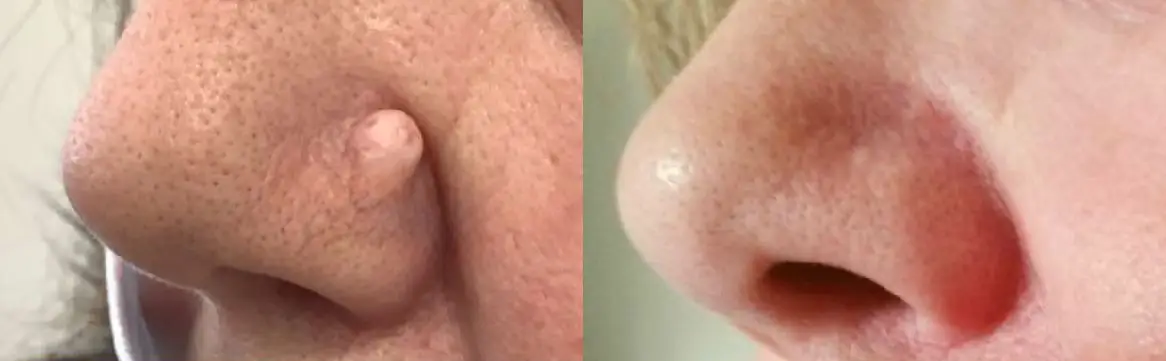
At The Braham Institute, mole removal is carried out using a precise and minimally invasive method known as shave excision with cauterisation. This technique is particularly effective for removing moles that are raised above the surface of the skin. The procedure begins with the application of a local anaesthetic to completely numb the area, ensuring your comfort throughout. Once the skin is numbed, the mole is carefully shaved down to skin level using a sterile surgical scalpel. Following removal, the area is cauterised to stop any minor bleeding and to support the body’s natural healing process. A small, dark scab will typically form over the treated site and fall off within 7 to 10 days. As the area heals, the underlying skin may appear pink at first but will usually fade and blend in over time. This method offers an effective and low-risk solution for both cosmetic and clinical mole removal, with minimal scarring when performed by our skilled surgical specialists.
Mole Removal Before and Afters
What are the Risks?
occur and can include:
- Infection
- Scarring
- Changes in Skin Sensation
- Recurrence
- Bleeding and Bruising
- Allergic Reactions
- Misdiagnosis Risk
Moles Self-Examination
It is advisable to check your moles over your entire body yourself once every month or two.
If you notice a new lesion, you will need to report it to your GP. Regarding existing pigmented moles, you need to watch for any changes in the shape, border, colour, size and surface. This is known as the rule of the ABCDE mole examination:
- Asymmetry: One half of the mole becomes unlike the other half.
- Border: The border of the mole becomes Irregular and poorly defined.
- Colour: The mole becomes darker or paler or contains different shades.
- Diameter: The mole increases in size.
- Elevation: A mole that was originally flat becomes suddenly raised.
A sudden abrupt change in one of the points mentioned above is an alarming sign.
What is the Aftercare Process?
Discharge: You will be allowed home shortly after the surgery.
Healing Time: Recovery after mole removal depends on factors like your age, the mole’s depth, and your wound care. Younger individuals and smaller, shallow moles usually heal faster with minimal scarring.
Wound Care: Keep the area clean and protected to reduce infection risk and promote healing. Avoid sun exposure, as UV rays can darken the scar.
Bathing Guidelines: Wait at least 48 hours before getting the area wet. Follow your doctor’s instructions on cleaning and dressing the wound.
Movement and Tension: Avoid stretching the skin near the site, especially in high-movement areas, as this can widen the scar.
Pain and Tenderness: Mild tenderness is expected for a few days. Severe pain is uncommon.
Bandaging: Keep the wound covered for the first 24–48 hours. After that, gently clean the area and apply any prescribed treatments.
Water Exposure: Showering is typically safe after two days, but avoid soaking in baths, pools, or hot tubs until fully healed—usually a few weeks.
Warning Signs: Look out for increased redness, swelling, warmth, or unusual discharge. Contact your doctor promptly if any of these occur or if you have concerns.
Frequently Asked Questions
Mole Removal NHS: Can the NHS remove moles for free?
The NHS generally does not provide free mole removal unless there is a medical reason, such as a suspicion of skin cancer or if the mole is causing significant discomfort or health issues. Cosmetic mole removal is not usually covered by the NHS.
How should I check my moles?
It is important to regularly examine your moles for any changes in size, shape, colour, or texture. Look out for uneven or multiple colours, an increase in size, irregular or rough edges, and any signs of irritation such as redness, itching, bleeding, inflammation, or crusting. While changes don’t always mean melanoma, any unusual signs should be evaluated by a dermatologist.
How might my moles affect me?
Most moles are harmless and pose no health risk, but some can change and become cancerous, turning into malignant melanoma. Moles that appear atypical or dysplastic have a higher risk and should be monitored carefully. Even benign moles can affect self-esteem or cause physical inconvenience if they are raised or located where they catch on clothing or interfere with shaving.
How often do I need my moles checked?
We recommend having your moles reviewed monthly to monitor for any changes. People with a higher risk of skin cancer may require more frequent check-ups. If you notice any changes between appointments, you should schedule a mole check promptly.
Can a mole grow back after it’s removed?
If a mole is completely removed through surgical excision, including a margin of healthy tissue, it should not grow back. However, the mole can recur or grow back over time. Shave excisions often flatten the mole rather than fully remove it, so there is a chance of regrowth. Surgical excision is the preferred method when cancer risk exists, while shave excision might be chosen for cosmetic reasons despite the possibility of the mole returning.
How do I know which mole removal treatment is right for me?
Your skin specialist surgeon will assess your mole during the consultation and recommend the most suitable removal method based on its size, location, appearance, and any medical concerns. This personalized approach ensures the safest and most effective treatment for your individual case.
Speak to a Patient Coordinator
Leave your details and we’ll call you back to discuss your options and next steps.
