
Mole and skin tag removal · Skin
Mole removal. Gone, with the scar in mind.
A raised mole on the face, one that catches when you shave or dress, or one you have simply never liked. Most can be removed under local anaesthetic in minutes, and where there is any doubt about a mole it is sent for examination so you know exactly what it was.
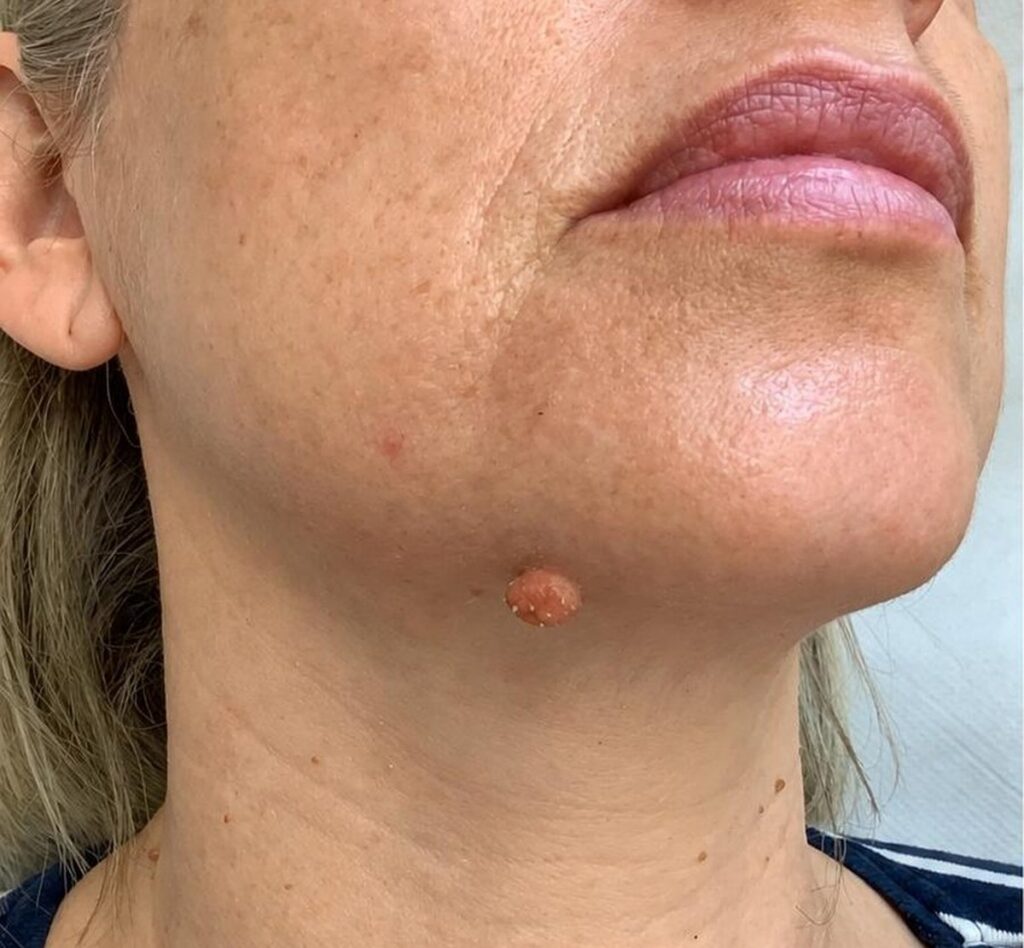
Results
Before and after.
We show only a small selection of results, with each patient's written consent, and never ask patients to share their photographs. Results vary from person to person.
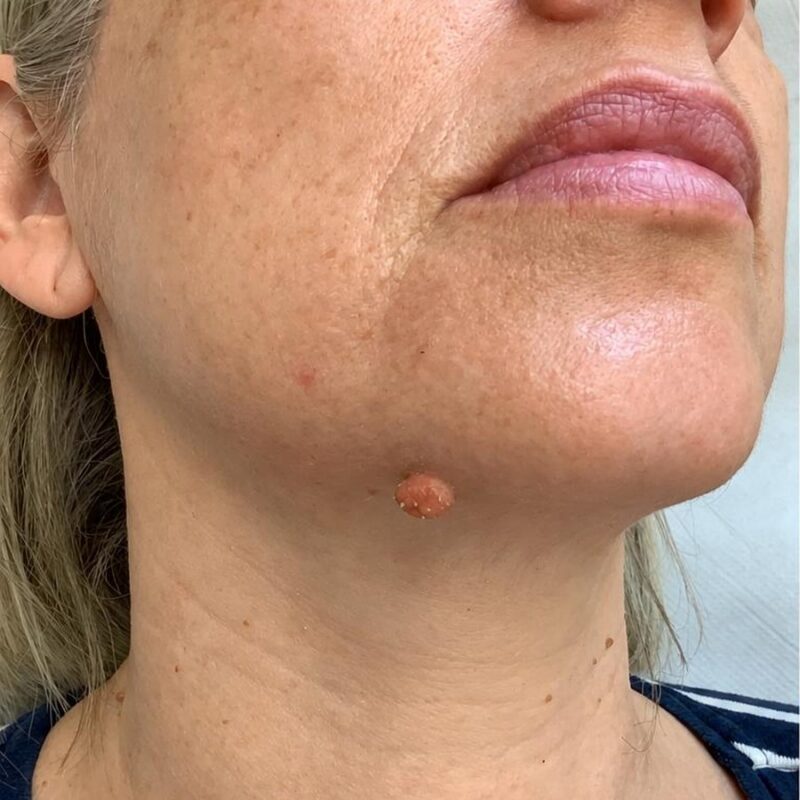 Before
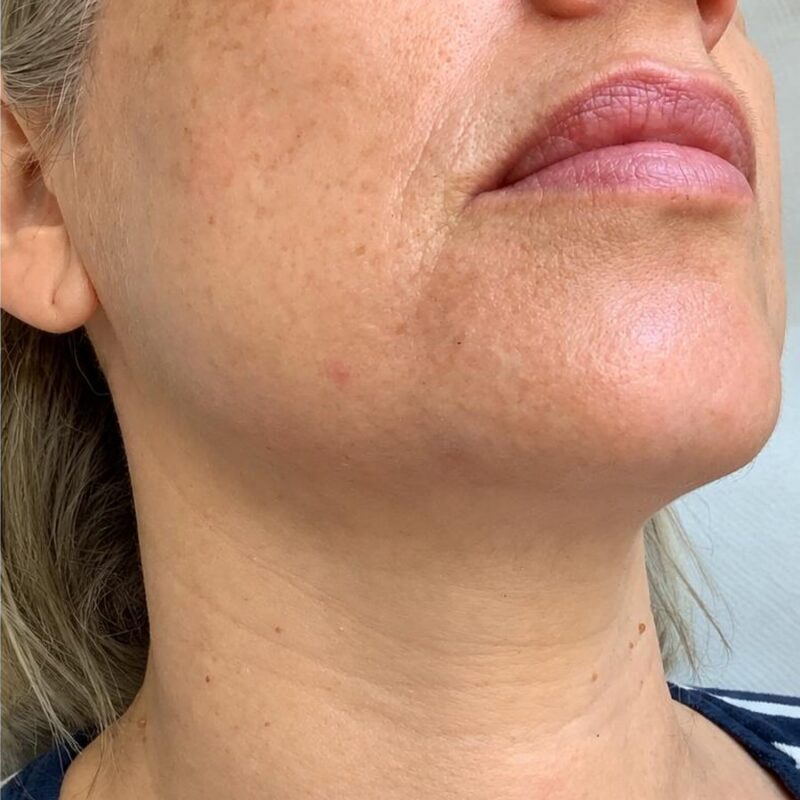 After
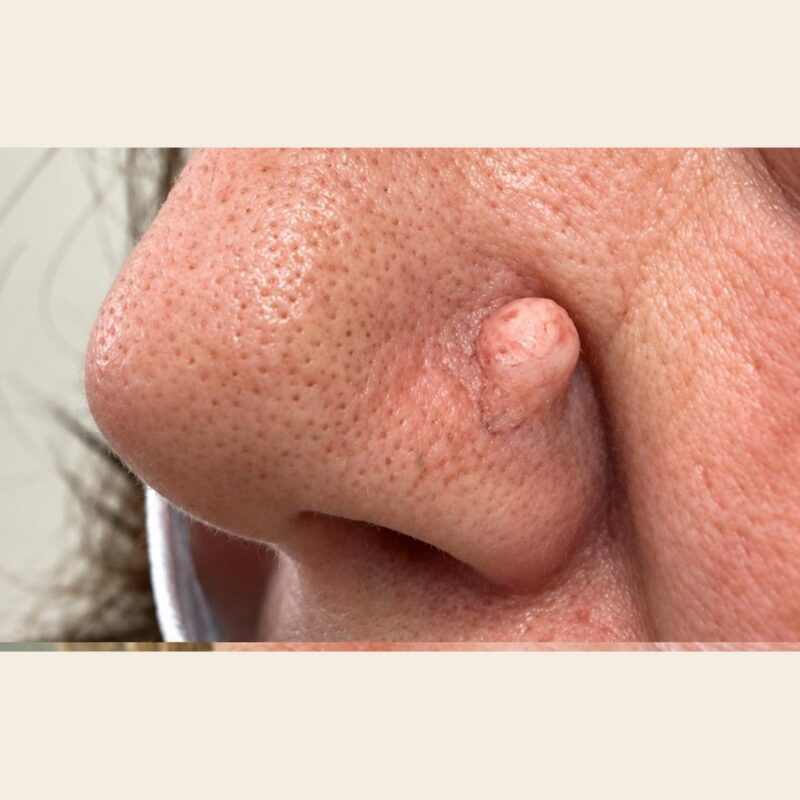 Before
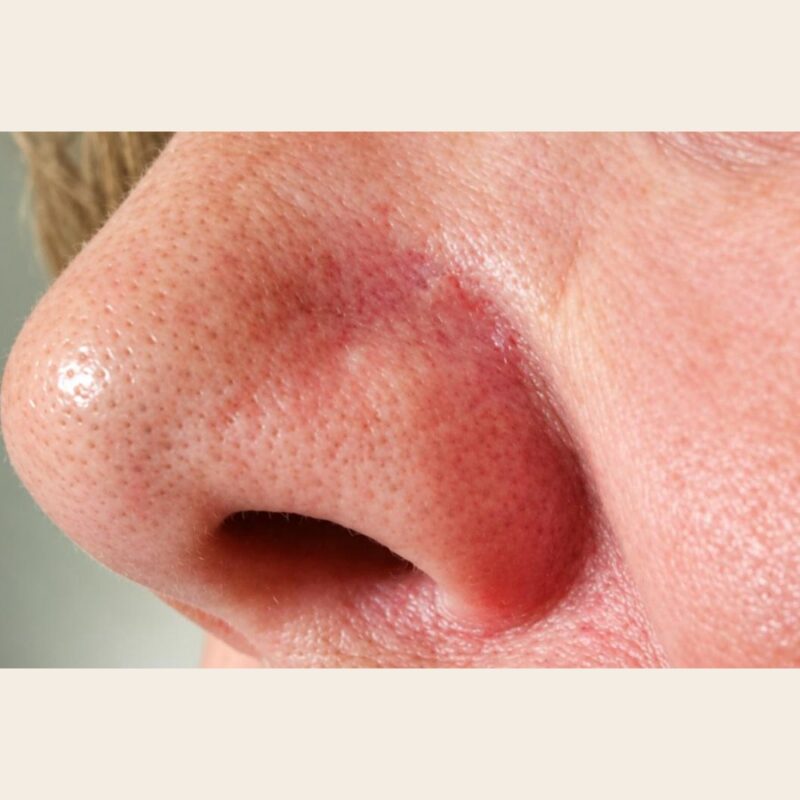 After
About the procedure
Two methods, chosen for the mole.
Moles are clusters of pigment cells in the skin. Most appear in childhood and adolescence, vary from flesh-coloured to dark brown, and are entirely harmless. People remove them because they are raised and prominent on the face, because they catch on razors, collars or jewellery, or because they have never felt like part of them.
For a raised mole, Dr Ouali usually uses shave excision. Under local anaesthetic the mole is shaved level with the surrounding skin and the base is sealed with cautery. No stitches are needed; a small scab forms and falls away in 7 to 10 days, leaving a flat, pale mark that blends in over the following months. A shaved mole can occasionally regrow, since the roots of the pigment are left.
For a flat mole, one with any unusual features, or where you want it gone for good, the mole is removed in full with a small margin of skin and the wound closed with fine stitches. This leaves a thin line rather than a round mark, and the tissue is sent for examination under the microscope. Any mole that has changed in size, shape or colour, itches, bleeds or crusts is always removed this way and examined.
Skin tags are small, soft flaps of skin that form where skin rubs: the neck, armpits, groin and eyelids. They are harmless and are removed in the same visit, under local anaesthetic, by snipping at the base and sealing with cautery. Several can be dealt with at once and they heal in about a week.

Is it right for you?
You may be considering it if
A mole that has changed in size, shape or colour, has an irregular edge, or itches, bleeds or crusts needs assessing before any cosmetic removal. Dr Ouali will examine it, remove it in full for examination if there is any doubt, and refer you to a dermatologist if that is the right course.
Your journey
What to expect.
Consultation
A complimentary video consultation with Dr Ouali, private and unhurried. Over video, with photographs if helpful, he looks at the mole or skin tags, advises whether shave or full excision is right, and explains what the mark will look like. If you would rather meet in person at Langham Hospital first, that can be arranged; a consultation fee applies.
The procedure
Carried out under local anaesthetic in 15 to 30 minutes. A shaved mole is levelled and sealed with no stitches; a fully excised mole is closed with fine stitches. Skin tags are snipped and sealed. You walk out with a small dressing.
The first two weeks
Keep the area dry for 48 hours. A shaved site forms a scab that falls away in 7 to 10 days; stitches from a full excision come out at 5 to 10 days depending on the site. Avoid stretching the area and keep it out of the sun.
The result
A pale, flat mark after a shave, or a fine line after excision, both fading over the following months. Any tissue sent for examination is reported back to you within a few weeks, and Dr Ouali explains what it showed.
Risks and safety
Told to you plainly.
Mole and skin tag removal is minor surgery with a low rate of complications, but no procedure is without risk, and Dr Ouali will go through each of these with you before you decide.
Common and temporary: redness, a scab, mild tenderness and some pinkness of the healed site for a few months. Uncommon: bleeding, infection, a scar that is paler, darker or more raised than expected, altered sensation, or regrowth of a shaved mole. Rarely, a keloid scar that needs further treatment, or a histology result that calls for further surgery.
Good to know
- Anaesthetic
- Local
- Duration
- 15 to 30 minutes
- Stay
- Walk in, walk out
- Back to work
- Same or next day
- Results
- Histology where needed
Every procedure is planned around you. These are typical figures; Dr Ouali will confirm what applies in your case at your consultation.
Ask a question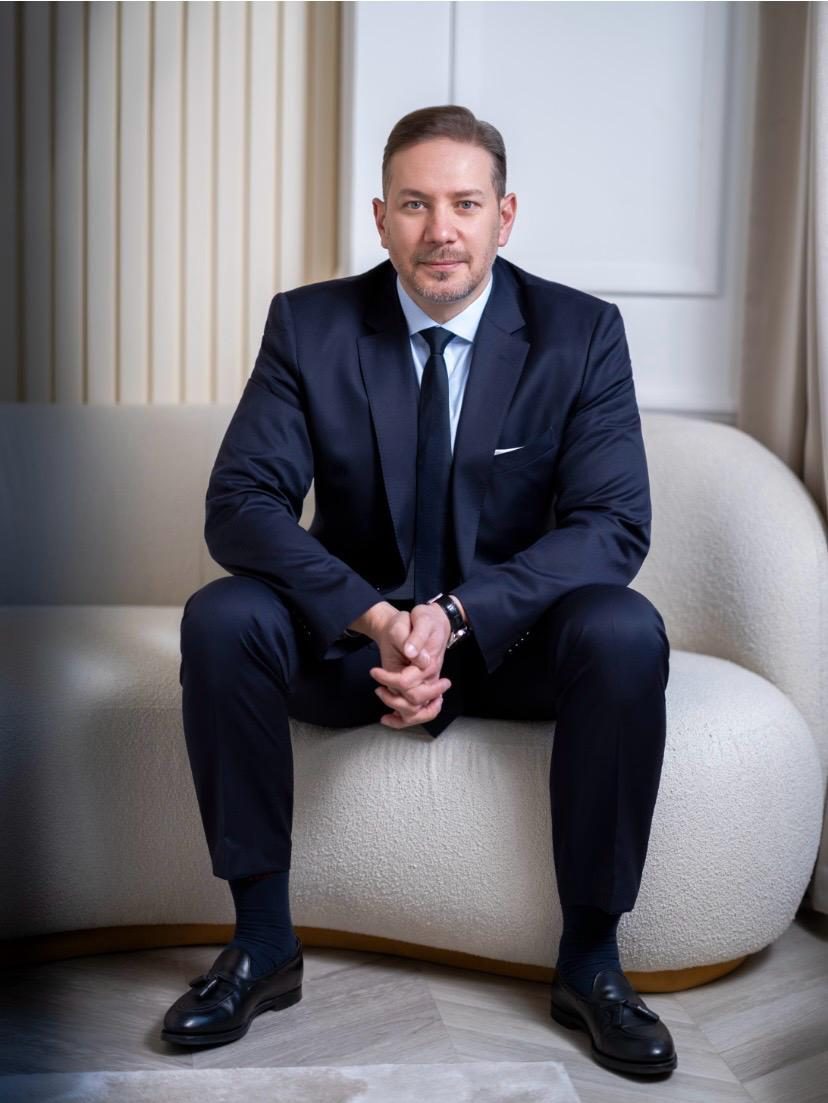
Your surgeon
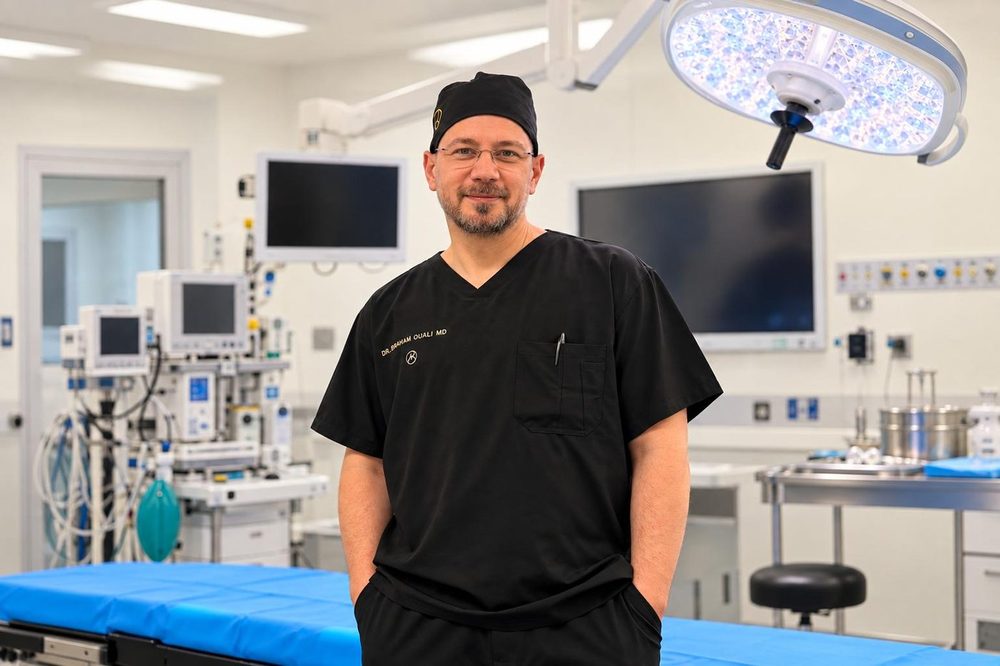
Mole removal with Dr Braham Ouali.
Removing a mole is easy; removing it so that nobody can tell is not. Dr Ouali has spent more than two decades in skin surgery, including skin cancer, and brings the same judgement to a cosmetic mole on the cheek as to a lesion that needs examining: the right method, the least mark, and the diagnosis never taken for granted.
Your consultation is private and unhurried. He will tell you plainly what surgery can achieve and what it cannot, and you will never be hurried towards a decision. From the first conversation to your final review, you are supported at every stage, and you always know who to turn to.
Where you will be treated
Langham Hospital, Hallam Street.
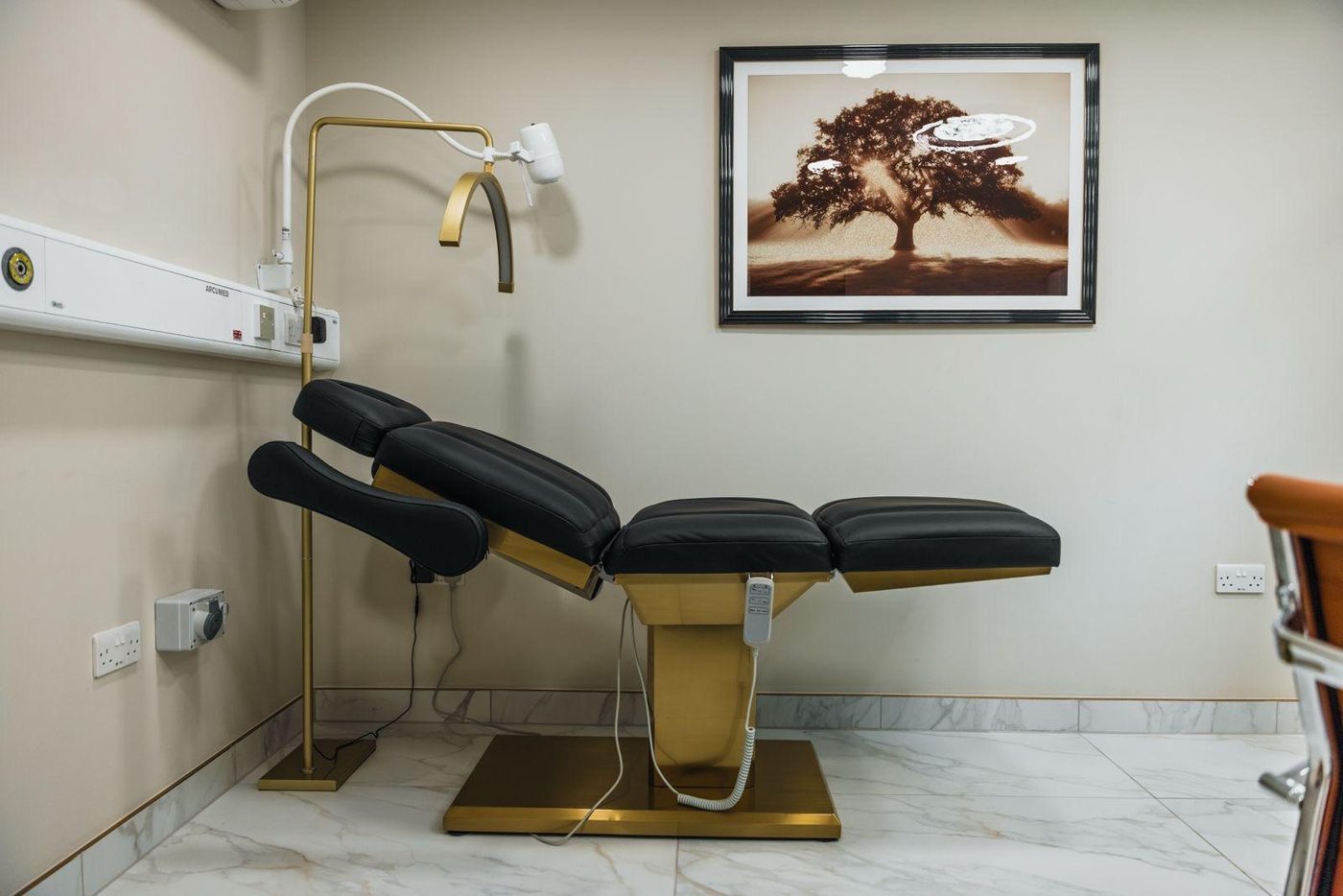
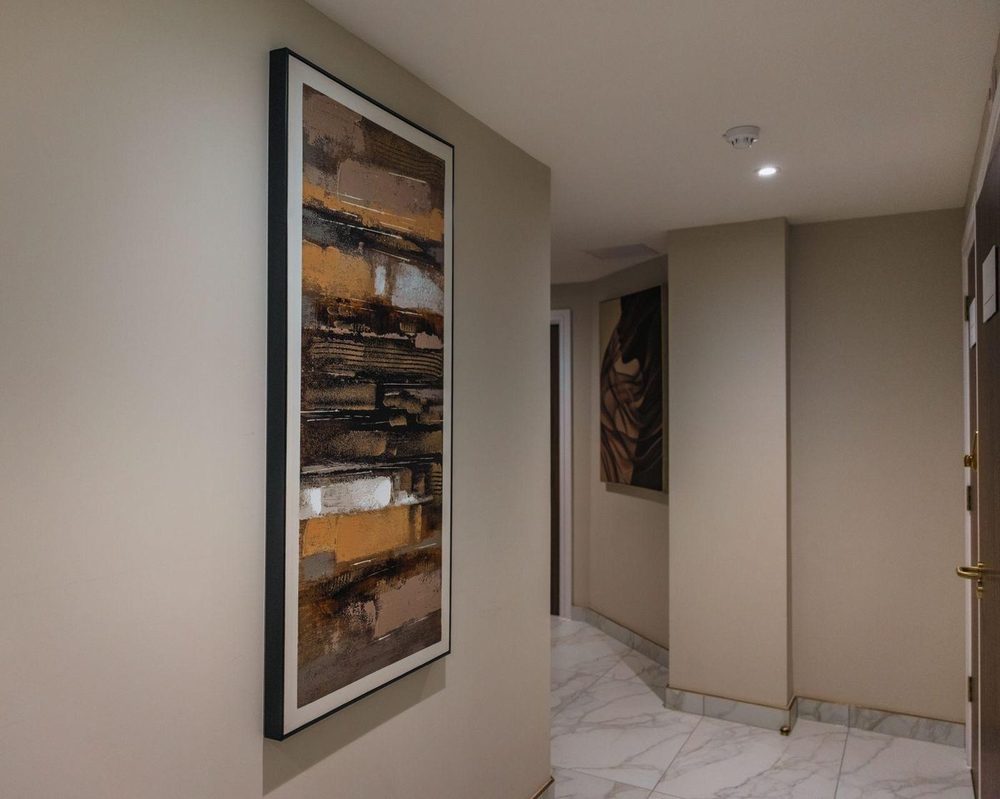
Dr Ouali consults and operates at Langham Hospital, a private hospital a few minutes' walk from Harley Street. Calm, modern and entirely discreet, with consulting rooms, treatment rooms and operating theatres under one roof.

Patient stories
In their own words.
I felt completely at ease with him - he was incredibly kind and gentle throughout the procedure, which really helped calm my nerves.
I would like to praise and thank Dr Ouali who performed an excision on my inner lip, which was executed perfectly and healed quickly.
Dr Ouali is always a pleasure to work with, he has a friendly and professional approach to both patients and staff. His surgery is first class.
Common questions
What patients ask.
Can I have a mole removed on the NHS?
Not for cosmetic reasons. The NHS removes moles only where there is concern they may be cancerous or they are causing a medical problem, so most people arrange cosmetic removal privately.
Will it hurt?
The area is numbed with a small injection of local anaesthetic, which stings for a few seconds. After that you feel pressure rather than pain. Afterwards there is mild tenderness for a day or two.
Will there be a scar?
A shaved mole leaves a flat, pale mark roughly the size of the mole, which blends in over the following months. A fully excised mole leaves a fine line a little longer than the mole was wide. Dr Ouali will tell you which to expect.
Can a mole grow back?
A shaved mole can regrow partly, because the pigment cells at the base are left. A mole that is fully excised with a margin does not grow back. If you want certainty, full excision is the method.
Will the mole be tested?
Any mole with unusual features is always sent for examination, and you can ask for any mole to be examined. Results come back within a few weeks and Dr Ouali explains what they showed.
How many skin tags can be removed at once?
Usually as many as you like in one visit. They are snipped and sealed under local anaesthetic and heal in about a week.
How should I check my moles?
Look over your skin every month or two, and watch for the ABCDE signs: Asymmetry, an irregular Border, a change in Colour, an increasing Diameter, or a mole that Evolves, becoming raised, itchy or bleeding. Any of these should be examined promptly.
I am flying in from abroad. How long should I stay?
For a shaved mole or skin tags you can fly within a day or two. For a full excision, plan to stay 7 to 10 days so the stitches can be removed, or arrange for them to be removed at home. Your first consultation is by video, with photographs.
Complimentary virtual consultations
Begin with a conversation.
Your first consultation is complimentary and takes place by video, with no obligation and no hurry. Tell us a little about what you are considering, and we will arrange a time to talk.