

Home > Cosmetic Surgery >
Keloid Removal
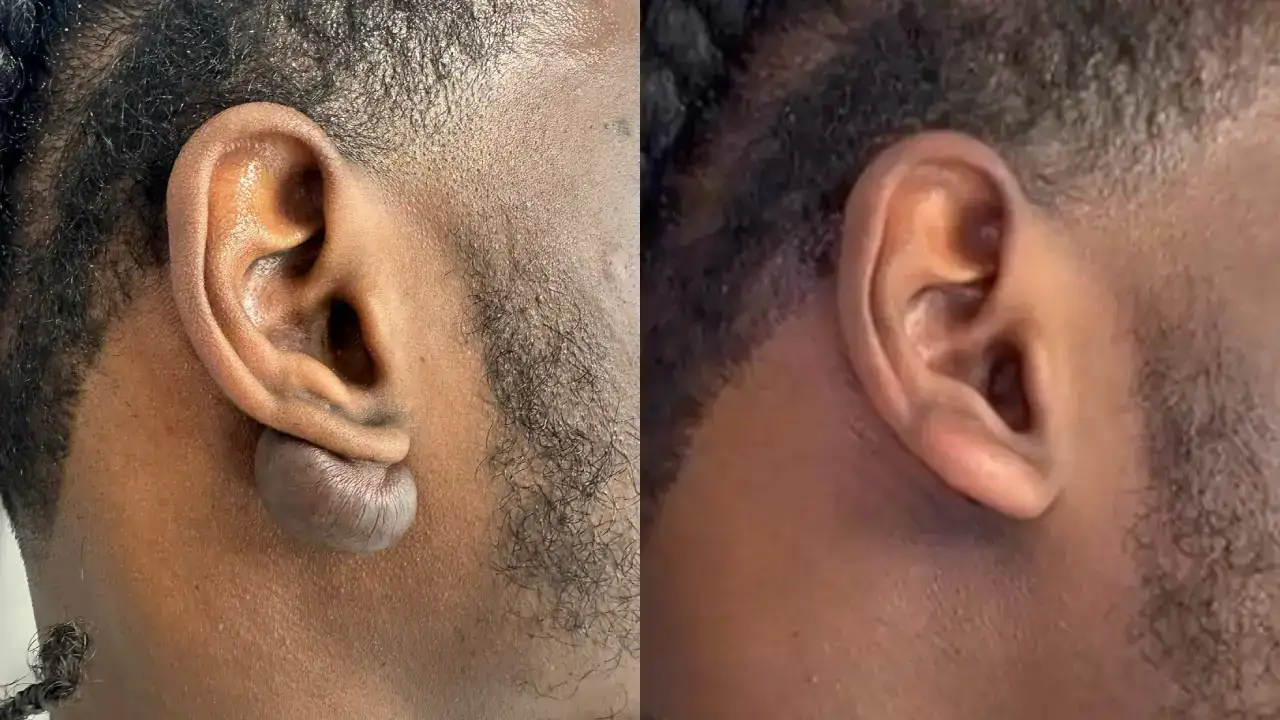
When keloid scars become big in size and cosmetically distressing, a surgical scar excision combined with steroid injection is often considered a primary treatment option. This procedure involves the careful removal of the keloid tissue with the goal of restoring a smoother, flatter appearance to the skin
Dr Braham is known for his expertise in treating keloids. He has removed thousands of keloids over the last twenty years. He takes a precise approach to ensure effective removal and reduce the risk of recurrence. We offer a comprehensive treatment plan, including steroid injections and other post-operative care, to ensure the best possible outcome.
Keloid Scar Removal London
Scarring is a natural part of the body’s healing response. When the skin is injured—whether through surgery, trauma, burns, or piercings—the body begins repairing the damage by producing collagen. While most scars gradually fade and soften over time, some individuals experience an overactive healing process, leading to the formation of excess collagen and resulting in raised, firm scars. These are classified as hypertrophic or keloid scars. Although both involve collagen overproduction, they behave differently: hypertrophic scars remain within the boundaries of the original wound and may reduce over time, whereas keloid scars can grow beyond the initial injury and continue to enlarge long after the wound has healed. Both types of scars may cause discomfort, including itching, pain, or cosmetic concern.
The development of a scar starts as the body works to restore skin integrity and protect against infection. The collagen formed during this phase—primarily types III and IV—is less structured and less elastic than healthy skin, which is why scars often look and feel different. Most scars undergo a maturation process over 6 to 18 months, gradually flattening and fading. However, some deviate from this typical healing pattern.
Experts don’t fully understand why keloid scarring happens. They are not contagious or cancerous.
Certain individuals are more prone to abnormal scarring due to genetic and environmental factors. Risk factors include a family history of keloids, very fair or dark skin tones, repeated irritation to wounds (such as those from acne or surgery), injuries located on high-risk areas like the chest, shoulders, jawline, or earlobes, and a history of adverse reactions to tattoos or piercings. While these factors don’t guarantee problematic scarring, they do increase the likelihood.
At The Braham Institute, keloid scar removal is available as a private treatment combining surgical excision with corticosteroid therapy to reduce the risk of recurrence. This comprehensive approach offers patients an effective, timely solution with the aim of improving comfort, restoring skin appearance, and helping individuals move forward with greater confidence.

Speak to a Patient Coordinator
Leave your details and we’ll call you back to discuss your options and next steps.

What is Keloid Removal Surgery?
When keloid scars become raised and big in size, surgical excision combined with steroid injection is often the most effective treatment option. At The Braham Institute, this procedure is performed with precision to remove the raised scar tissue and restore a smoother, flatter appearance to the skin. While surgery alone cannot guarantee that a keloid won’t return, combining excision with additional steroid injections significantly improves long-term outcomes.
The procedure begins with the application of a local anaesthetic to fully numb the area, ensuring patient comfort throughout. Once the area is prepared, the surgeon carefully removes the keloid tissue using a scalpel, aiming to preserve as much healthy skin as possible. After the keloid is excised, the wound is closed using fine sutures designed to minimise skin tension—an essential factor in preventing new or recurring scar formation. The area is then covered with a sterile dressing to support healing and protect against infection.
To further reduce the risk of recurrence, corticosteroid injections are typically administered into the wound during the procedure. These anti-inflammatory medications work to suppress excessive collagen production, which is the primary driver of keloid growth. Post-surgical follow-up care may include a series of additional steroid injections over the following weeks or months, helping to control inflammation, flatten developing scar tissue, and lower the chance of regrowth. This comprehensive approach ensures the highest possible standard of care and long-term scar management.
Keloid Removal Before and Afters

What are the Risks involved in Keloid Removal Surgery?
95% of Dr. Braham’s cases proceed without complications; however, complications may
occur and can include:
Scar Recurrence
The most common risk; keloids may return after removal, sometimes larger than before.
Infection
Any surgical procedure carries a risk of infection at the incision site.
Bleeding or Hematoma Formation
Minor bleeding or blood collecting under the skin can occur post-surgery.
Poor Wound Healing
Some individuals may experience delayed healing or wound breakdown.
Skin Discolouration or Pigment Changes
The skin around the surgical site may become lighter or darker, particularly in darker skin types.
Pain or Discomfort
Temporary pain, tenderness, or sensitivity in the treated area is common post-procedure.
Allergic Reaction to Anaesthetic or Medications
Though rare, some people may react to local anaesthetics or postoperative medications.
Development of a New Keloid or Hypertrophic Scar
Instead of a flat, smooth scar, the healing process may produce another raised or thickened scar.
Numbness or Changes in Sensation
Temporary or permanent changes in skin sensation near the surgical site may occur.
Asymmetry or Unsatisfactory Cosmetic Result
The final appearance may not be perfectly symmetrical or as smooth as expected.
Keloid Removal Recovery and Aftercare
- You will be able to return home shortly after your surgery.
- Carefully follow all pre- and post-operative instructions to support healing and minimise the risk of complications.
- Use any recommended follow-up treatments—such as corticosteroid injections or silicone gels—as advised to reduce the chance of keloid recurrence.
- Protect the healing area from trauma or tension, which can increase the likelihood of the scar returning or worsening.
- Avoid strenuous activity, heavy lifting, or pressure on the incision site until you are fully healed.
- Recovery is typically gradual, with most people returning to daily routines within a few days, although some tenderness may continue.
- Prioritise rest, stay well-hydrated, maintain a balanced diet, avoid smoking, and attend all scheduled follow-up appointments.
- Follow your personalised aftercare plan and return for check-ups as recommended to monitor healing and make any necessary adjustments to your treatment.
Keloid Removal – Frequently Asked Questions
Can you prevent keloid scars?
While complete prevention of keloid scars is not feasible, deliberate cuts or breaks in the skin, such as tattoos or piercings, including those on the earlobes, can significantly reduce the risk of keloids. Furthermore, treating acne can decrease the incidence of acne scars. If possible, avoid minor skin surgeries in areas more susceptible to keloid scarring, including the upper chest, back, and upper arms.
What is keloid scar removal surgery?
Keloid scar removal surgery is a procedure where excess scar tissue is carefully cut away using a scalpel under local anaesthetic. The goal is to flatten the raised scar and improve the skin’s appearance.
Can I get a tattoo or a piercing if I have keloid scars?
If you have been diagnosed with keloid disorder, it’s strongly recommended to avoid tattoos and piercings. These procedures can trigger the formation of new keloids, and treating keloid scars is often very challenging.
Is the procedure painful?
No, the area is numbed with a local anaesthetic before surgery, so the procedure itself is painless. Mild discomfort may be experienced after the anaesthetic wears off.
How long does it take to heal after surgery?
Most patients recover within a few days and can resume normal activities shortly after. Complete healing of the surgical site and scar maturation may take several weeks to months.
Can the keloid come back after removal?
Yes, there is a high risk of recurrence. To reduce this, additional treatments such as steroid injections are often used during or after surgery.
Will I have a scar after the surgery?
Yes, any surgical procedure leaves a scar. However, the aim is to create a flatter, less noticeable scar compared to the original keloid.
Who is a good candidate for keloid removal surgery?
Individuals who have bothersome keloids—either physically or cosmetically—may be suitable candidates. A full assessment is required to determine the best approach for each person.
Speak to a Patient Coordinator
Leave your details and we’ll call you back to discuss your options and next steps.
