

Home > Cosmetic Surgery >
Cyst Removal
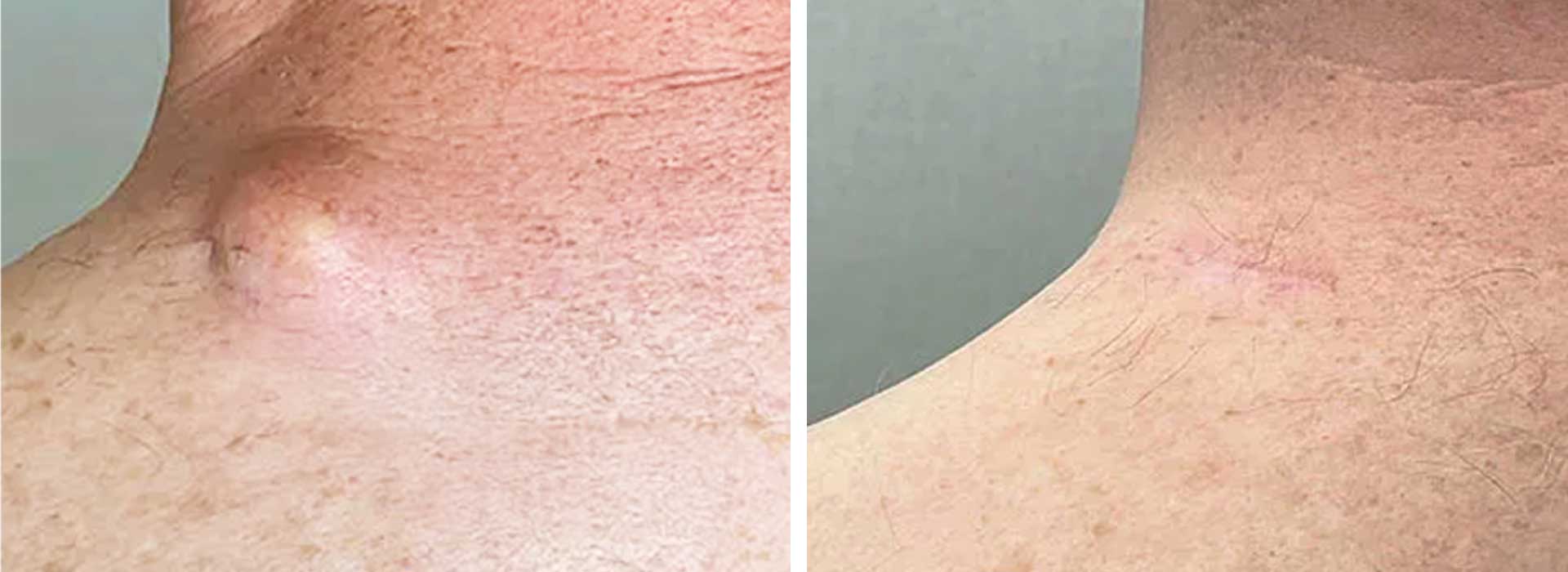
Cyst Removal in London. Surgical excision involves removing both the cyst and its sac from beneath the skin to prevent recurrence.
Dr Braham has removed thousands of Cysts. He is committed to providing the highest standard of care for cyst removal. Dr Braham’s techniques ensure minimal scarring and optimal results. We take the time to discuss your concerns and explain each step of the procedure, ensuring your complete comfort and confidence throughout the process.
What is Cyst Removal Surgery?
Skin cysts are common, fluid- or keratin-filled lumps that form just beneath the skin’s surface. Usually round, smooth, and white or yellow, they often feature a visible central opening (punctum) that can discharge material. Most cysts are harmless, but any that become painful, inflamed, or change in appearance should be checked by a professional to rule out infection or other conditions.
Types of cysts include epidermoid, sebaceous, pilar, acne, and pilonidal cysts. These can form due to blocked hair follicles, trauma, hormonal changes, or keratin build-up. Pilar cysts, often found on the scalp, may have a genetic link and can run in families. Epidermoid cysts are the most common and typically appear on the face, chest, or shoulders. While uninflamed cysts are usually painless and slow-growing, inflamed ones can become red, swollen, and tender, resembling boils.
In most cases, cysts will not go away on their own and need removal, especially if they’re infected, interfere with daily life, or affect self-esteem. Since cyst removal is often classed as cosmetic and not always available on the NHS, The Braham Institute provides a trusted private alternative.
Dr Braham performs surgical excision under local anaesthetic, removing the entire cyst and sac to minimise recurrence. The procedure is quick and minimally invasive, with same-day discharge and personalised aftercare to support healing and reduce scarring.

Speak to a Patient Coordinator
Leave your details and we’ll call you back to discuss your options and next steps.

What Does Cyst Removal Surgery Involve?
While many skin cysts are benign and can be left untreated if they’re not causing issues, surgical excision is an effective option when a cyst becomes painful, infected, or cosmetically concerning. This procedure is especially recommended for cysts that are large, persistent, or interfering with daily life.
Surgical excision involves removing both the cyst and its sac from beneath the skin to prevent recurrence. After numbing the area with local anaesthetic, a small incision is made to allow for careful extraction of the entire cyst.
Complete removal is essential, as leaving part of the sac behind increases the risk of the cyst returning. Once removed, the area is closed with sutures and covered with a sterile dressing.
Recovery is usually quick, and most patients can resume normal activities soon after. While a small scar may remain, proper aftercare helps minimise its appearance.
At The Braham Institute, Dr Braham offers an experienced excision of your cyst with minimal scarring and optimal results. We take the time to discuss your concerns and explain each step of the procedure, ensuring your complete comfort and confidence throughout.
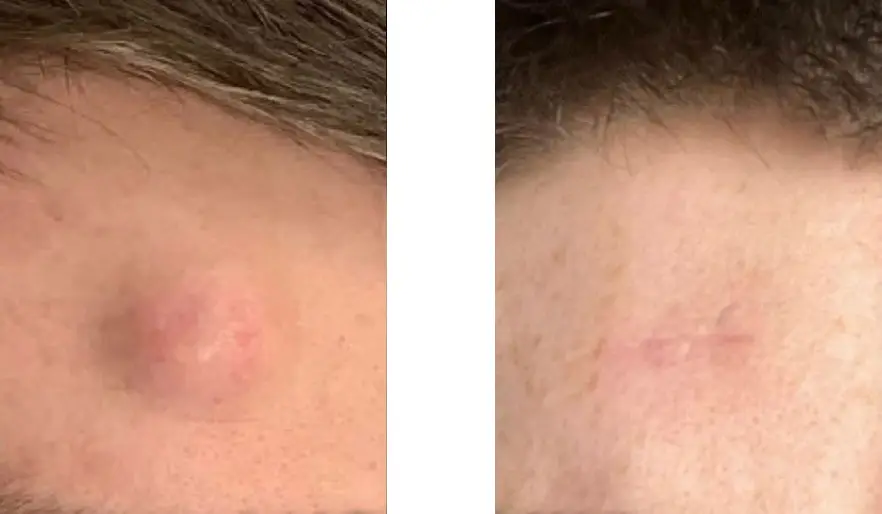
Cyst Removal Before and Afters
What are the Risks Involved in Cyst Removal?
95% of Dr. Braham’s cases proceed without complications; however, complications may occur and can include:
- Infection – The wound may become infected, especially if not kept clean or the post-op instructions are not followed. However, this could be treated with antibiotics.
- Bleeding – Some bleeding is normal, rarely excessive or prolonged bleeding may occur during or after the surgery.
- Scarring – Most surgical removals leave a scar which should fade away over time.
- Recurrence – If the entire cyst sac is not fully removed, the cyst may return.
- Nerve damage – If the cyst is close to a nerve, there is a small risk of nerve injury, which may result in temporary or permanent numbness, tingling, or paralysis.
- Pain or discomfort – Mild pain or tenderness is expected after surgery, however this is very easily controlled with painkillers.
- Allergic reaction – Some people may have an allergic reaction to the local anaesthetic or materials used during surgery.
- Poor wound healing – Factors such as diabetes, smoking, or poor aftercare can lead to delayed or impaired healing.
- Swelling or bruising – Temporary swelling or bruising around the surgical site is common but usually subsides within a few days.
- Unsatisfactory cosmetic result – The final appearance may not meet aesthetic expectations, especially if the cyst was large or located in a visible area.
While most cyst removal procedures are straightforward and low-risk, it’s important to discuss these possibilities with your healthcare provider beforehand.
What is the Aftercare Process?
Discharge: After your private cyst removal, you’ll usually go home the same day. It’s helpful to have someone with you, especially if you’ve had local anaesthetic, as you might feel briefly groggy.
Wound Care: Keep the area clean and dry, avoid soaking it, and follow all instructions for dressings, ointments, and any prescribed medications.
Nutrition and Rest: Eat a diet rich in vitamins A, C, E, zinc, and protein to support healing, and get plenty of rest to aid recovery.
Activity and Sun Exposure: Avoid stretching the area or intense activity, protect the site from sun exposure to prevent darkened scars, and focus on stress-reducing routines for overall wellness.
Common Symptoms: Mild swelling, bruising, or pain is normal for a few days. Over-the-counter pain relief is usually effective, and rest is advised for the first 24–48 hours.
Physical Activity: Light activity can resume within a few days, but avoid strenuous movement until the area heals—typically within 1 to 2 weeks, depending on the cyst’s size and location.
When to Seek Help: Watch for signs like increased redness, swelling, warmth, pus, fever, or fatigue, and contact your doctor if they occur.
Follow-up: Sutures are usually removed after 7–10 days. Attend follow-up appointments to ensure proper healing and avoid complications.
Cyst Removal – Frequently Asked Questions
What is cyst removal surgery?
Cyst removal surgery is a minor surgical procedure in which a doctor removes a cyst (a fluid- or keratin-filled lump) from beneath the skin. This is typically done under local anaesthetic and involves excising the cyst sac to prevent it from returning.
Is cyst removal painful?
The procedure itself is usually painless, as it’s performed under local anaesthetic. You may feel some pressure during the surgery. Mild pain or tenderness can be expected after the anaesthetic wears off, but this is usually manageable with over-the-counter pain relievers.
How long does the procedure take?
Cyst removal surgery typically takes between 20 and 45 minutes, depending on the size and location of the cyst. Patients go home the same day.
Will the cyst come back after removal?
If the entire cyst sac is successfully removed, recurrence is unlikely. However, if any part of the sac remains, the cyst could return over time.
What is the recovery time after cyst removal?
Most people recover within 1 to 2 weeks. You may be advised to avoid heavy lifting or strenuous activity for a few days to prevent irritation or disruption to the healing site.
Will there be a scar after cyst removal?
Yes, there will be initially a small scar, but it usually fades over time. The size of the scar depends on the size of the cyst, its location, and how well the wound heals. Proper aftercare can minimise scarring.
How do I care for the wound after surgery?
You’ll be advised to keep the area clean and dry, change dressings as instructed, and avoid submerging the wound in water. Watch for signs of infection such as redness, swelling, or discharge.
When should I contact a doctor after surgery?
Contact your doctor if you notice increased pain, redness, pus, swelling, fever, or if the wound isn’t healing as expected. These may be signs of infection or complications that require attention.
Speak to a Patient Coordinator
Leave your details and we’ll call you back to discuss your options and next steps.
