

Home > Cosmetic Surgery >
Basal Cell Carcinoma Treatment
What is Basal Cell Carcinoma Treatment?
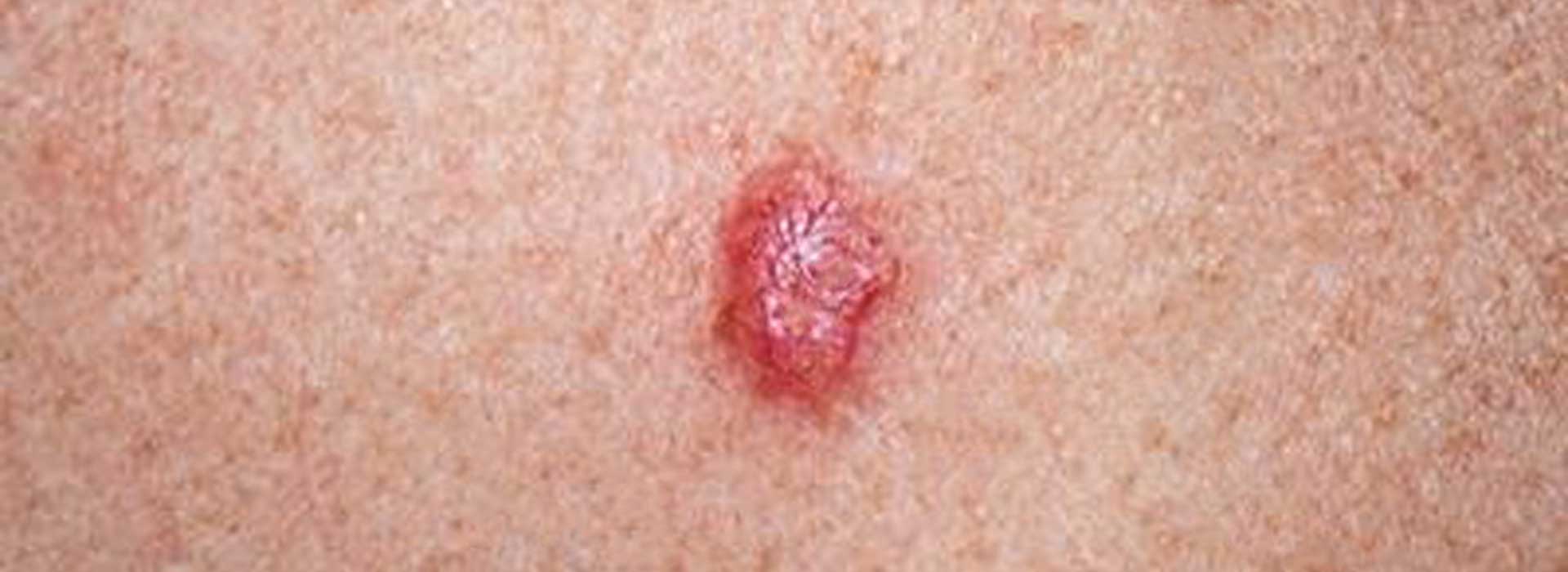
Basal cell carcinoma (BCC) in London is typically treated through surgery, where the cancerous tissue along with a margin of healthy skin is removed to ensure complete excision; although it grows slowly, prompt treatment is important to prevent deeper tissue damage.
Dr Braham Ouali has an extensive experience in treating BCC and has performed thousands of surgical excisions as well as reconstruction using skin grafts or local flaps. He ensures that the procedure is performed safely and effectively, with careful attention to complete removal of the lesion, reducing scarring and optimising healing. We provide thorough aftercare and support to ensure the best possible outcome.
What is Basal Cell Carcinoma (BCC)?
Basal Cell Carcinoma (BCC) is the most common type of skin cancer, making up over 80% of cases in the UK. It is a non-melanoma skin cancer that develops from basal cells in the lowest layer of the epidermis. These cells, damaged by prolonged ultraviolet (UV) exposure from sunlight or sunbeds, begin to grow abnormally, forming slow-growing tumours. BCC is sometimes called a “rodent ulcer” due to its potential to erode the skin if left untreated.
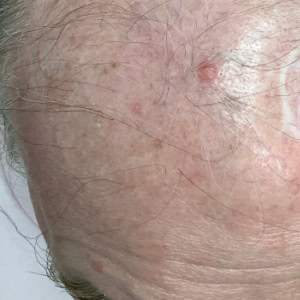
The main risk factors include fair skin, frequent sunburns, sunbed use, age over 50, a family or personal history of skin cancer, weakened immunity, and chronic skin conditions. BCC typically appears on sun-exposed areas like the face, ears, scalp, neck, and shoulders. It may present as a shiny pink bump, a flat scaly patch, a sore that won’t heal, or a scar-like area. Because it grows slowly and is usually painless, it can often go unnoticed. Diagnosis is confirmed through a skin biopsy.
Although BCC rarely spreads to other parts of the body, it can cause serious local damage if untreated. At The Braham Institute, we use surgical excision to remove the tumour completely, offering an effective and safe solution. Early diagnosis is key to preventing complications. We recommend using sunscreen, wearing protective clothing, and attending regular skin checks—especially if you’re at higher risk. Our experienced team at The Braham Institute ensures expert care, accurate diagnosis, and personalised treatment for all BCC cases.

Speak to a Patient Coordinator
Leave your details and we’ll call you back to discuss your options and next steps.

Basal Cell Carcinoma Removal Surgery Process
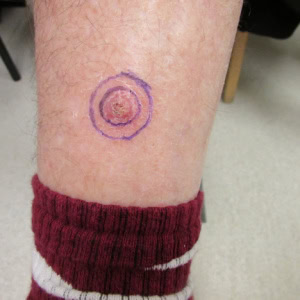
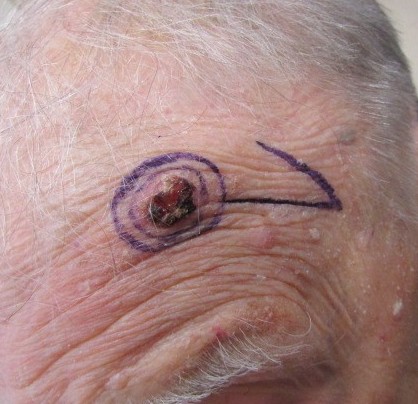
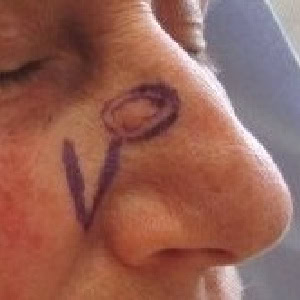
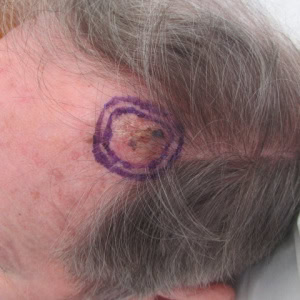
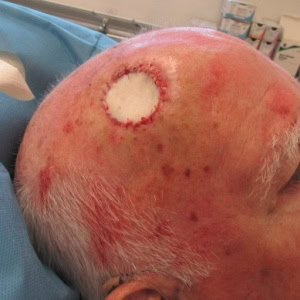
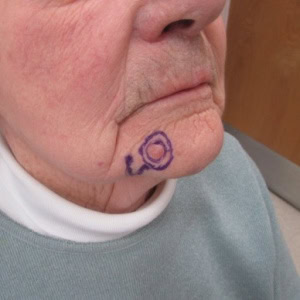
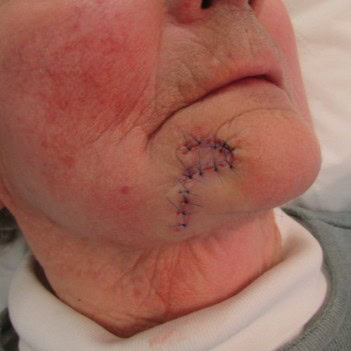
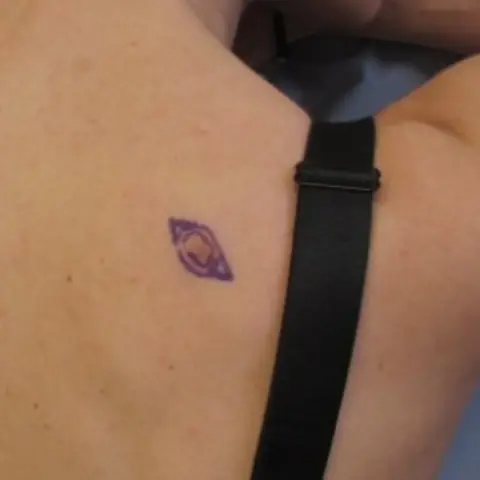
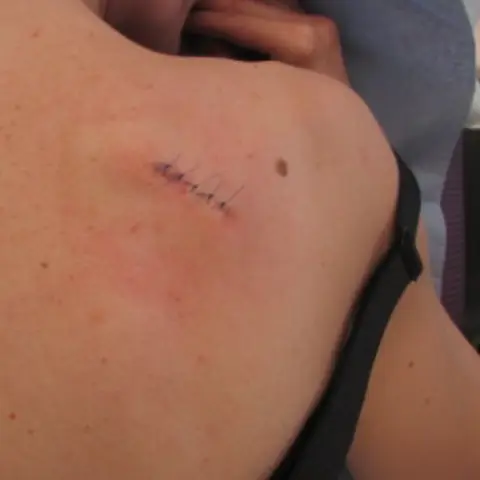
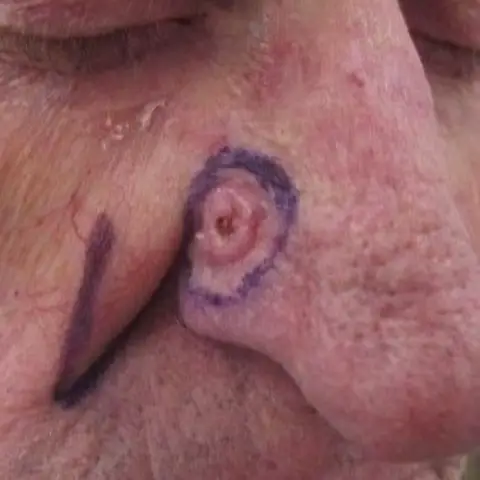
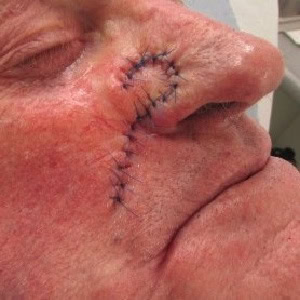
Surgical excision is a common and effective treatment for basal cell carcinoma (BCC), especially for small, well-defined tumors in low-risk areas like the trunk, arms, or legs. Before the procedure, patients have a consultation to discuss the surgical plan, lesion size, location, and any necessary instructions, including pausing certain medications to reduce bleeding risk. The procedure starts with a local anesthetic to numb the area, which may cause brief stinging but lasts several hours. The site is then cleaned with antiseptic and draped sterilely. The surgeon marks the lesion and its margins—the normal skin surrounding the cancer that must be removed—using a surgical pen. The BCC is carefully excised with a scalpel in an elliptical shape to aid closure and minimize scarring. The removed tissue is sent for histological examination to confirm cancer-free margins and complete removal. Finally, the wound is closed with sutures based on size and location and covered with a dressing to protect it and support healing.
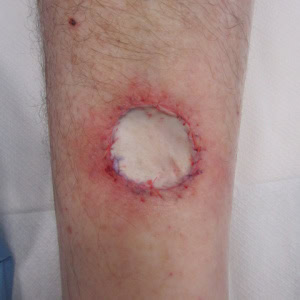
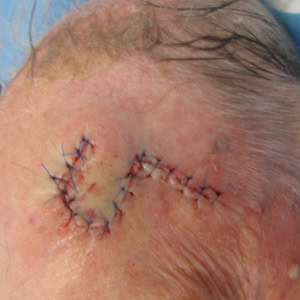
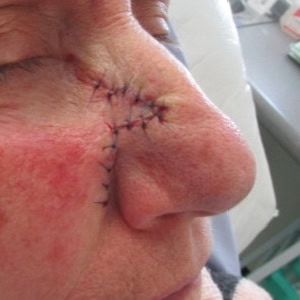
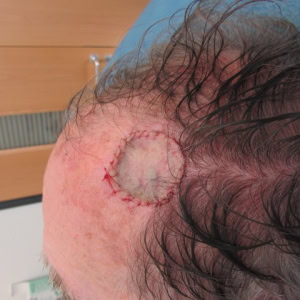
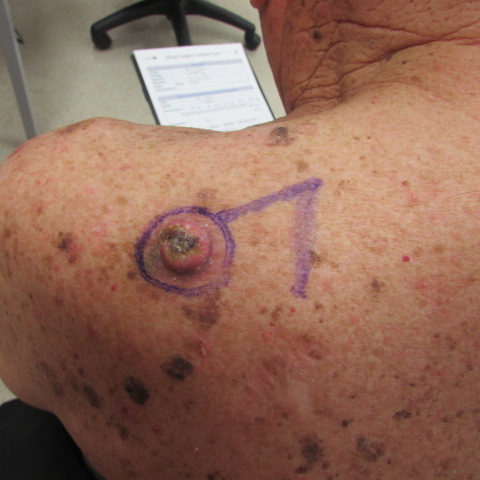
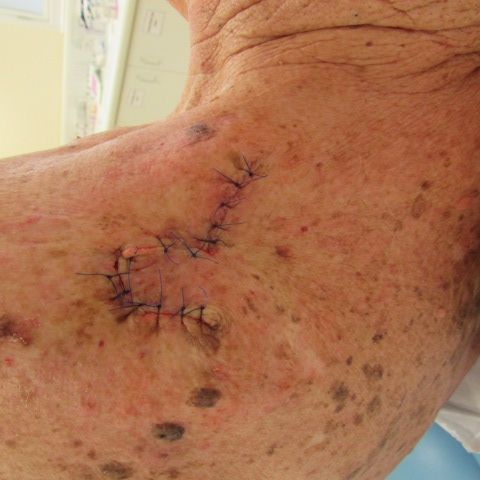
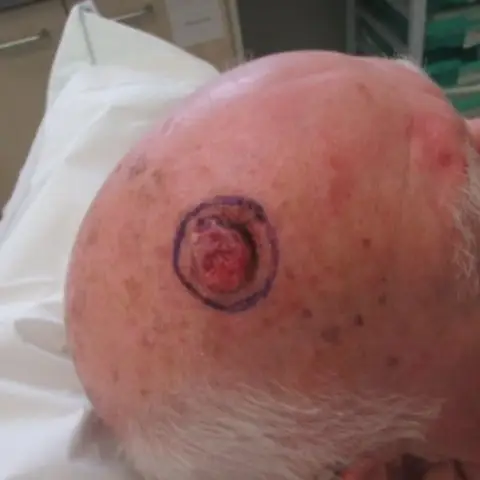
Basal Cell Carcinoma Removal Before and Afters

What are The Risks of Basal Cell Carcinoma Removal Surgery?
95% of Dr. Braham’s cases proceed without complications; however, complications may
occur and can include:
Scarring: All excision surgeries will leave a scar. The size and appearance depend on the location, size of the carcinoma, and how your body heals.
Infection: There’s a risk of infection at the surgical site, particularly if aftercare instructions are not followed properly.
Bleeding: Some bleeding during or after the procedure is normal, but excessive or prolonged bleeding may require medical attention.
Pain or Discomfort: Mild to moderate pain is common after surgery, which can usually be managed with over-the-counter painkillers.
Swelling and Bruising: These may develop around the wound, especially on the face or near delicate areas.
Delayed Healing: Healing time can vary based on the size and depth of the excision, as well as individual factors like age, smoking status, or chronic conditions.
Numbness or Tingling: Temporary or permanent changes in skin sensation can occur if small nerves are affected during surgery.
Wound Dehiscence: In rare cases, the wound may reopen before it’s fully healed, especially if under tension or stress.
Unsatisfactory Cosmetic Result: Depending on the size and location of the BCC, the resulting scar or skin contour may be cosmetically noticeable.
Recurrence: Although surgery is highly effective, there’s still a small chance the carcinoma could return if cancerous cells were left behind.
Allergic Reaction: Rarely, a person may react to local anaesthesia or suturing materials.
Keloid or Hypertrophic Scarring: Some individuals may develop raised, thickened scars, particularly if they are prone to this type of scarring.
Each patient’s risk profile will vary depending on individual health, the complexity of the case, and the skill of the surgeon. Proper aftercare and follow-up are essential for reducing complications and achieving the best outcome.
Recovery and Aftercare
- Recovery from basal cell carcinoma (BCC) removal surgery is generally smooth, with mild swelling, bruising, and tenderness common for a few days. Pain is usually mild and manageable with over-the-counter pain relief like paracetamol.
- The wound typically heals within 1 to 2 weeks, depending on size and location; non-dissolvable stitches are removed after 7 to 14 days, while dissolvable stitches break down naturally.
- A scar will form and may appear red or raised initially but usually fades over 18 to 24 months. Keeping the area moisturised, avoiding sun exposure, and using silicone gels or scar-reducing products can improve scar appearance.
- Aftercare includes keeping the wound clean and dry for the first 24–48 hours, gentle cleaning thereafter, avoiding heavy exercise or stretching near the site, and not picking scabs or pulling stitches.
- Protect the area from sun exposure by using high-SPF sunscreen or covering the scar outdoors to prevent discoloration and damage. Follow all aftercare instructions to reduce infection risk and promote proper healing.
- Attend all follow-up appointments to monitor healing and confirm complete cancer removal; further treatment or wider excision may be needed if necessary.
- Watch for complications such as increasing redness, swelling, pus, fever, unusual bleeding, or persistent pain, and report them promptly. While BCC has an excellent prognosis, ongoing skin checks and sun safety are important to prevent future occurrences.
Moles Self-Examination
It is advisable to check your moles over your entire body yourself once every month or two.
If you notice a new lesion, you will need to report it to your GP. Regarding existing pigmented moles, you need to watch for any changes in the shape, border, colour, size and surface. This is known as the rule of the ABCDE mole examination:
- Asymmetry: One half of the mole becomes unlike the other half.
- Border: The border of the mole becomes Irregular and poorly defined.
- Colour: The mole becomes darker or paler or contains different shades.
- Diameter: The mole increases in size.
- Elevation: A mole that was originally flat becomes suddenly raised.
A sudden abrupt change in one of the points mentioned above is an alarming sign.
Sun Safety & Skin Cancer Prevention
- During Summer time, please spend the time between 11am to 3pm under the shade.
- Protect your skin with clothing and do not forget to wear a hat and sunglasses.
- When choosing a sunscreen, look for a high Sun Protection Factor (SPF 30 or 50) to protect against UVB. Look also for 4 or 5 UVA stars to protect against UVA.
- Generously apply sunscreen to all exposed skin, including lips. Sunscreen should be applied 15-30 minutes before going out in the sun. Re-apply every 2 hours and straight after swimming and towel-drying.
- Avoid tanning beds.
- Keep babies and young children out of direct sunlight.
- Monthly Self-Examination
Basal Cell Carcinoma FAQs
What is basal cell carcinoma (BCC) removal surgery?
BCC removal surgery, also known as surgical excision, involves cutting out the cancerous lesion along with a margin of healthy tissue. This is done to ensure complete removal of the cancer and to reduce the risk of it returning.
Is surgery the only treatment for BCC?
Surgical excision is the most common and effective treatment, especially for BCCs in high-risk or sensitive areas. However, other options like cryotherapy, topical treatments, or Mohs micrographic surgery may be considered depending on the size, location, and type of BCC.
Does the procedure hurt?
The procedure is typically performed under local anaesthetic, which numbs the area. You may feel some pressure or tugging during the surgery but no pain. Some mild discomfort can occur after the anaesthetic wears off, which can usually be managed with over-the-counter pain relievers like paracetamol.
Will I have a scar after the surgery?
Yes, a scar is initially expected after BCC excision. The size and appearance of the scar depend on the size of the lesion, the technique used, and individual healing. Over time, the scar often fades and becomes less noticeable. Scar care products such as silicone gels or sheets can help improve its appearance.
How long does the healing process take?
Initial healing usually takes about 1 to 2 weeks. If non-dissolvable stitches are used, they’re generally removed between 7 and 14 days after surgery. Complete scar maturation and tissue recovery can take several months up to two years.
What aftercare is required?
Keep the wound clean and dry for the first 24–48 hours, then follow your aftercare instructions carefully. Avoid strenuous activity, protect the area from sun exposure, and avoid picking at the scab or stitches. Keeping the wound moisturised and protected will help healing and reduce scarring.
Are there any risks or complications?
While BCC excision is generally safe, potential risks include infection, bleeding, delayed healing, scarring, and in rare cases, recurrence of the carcinoma. Monitoring the wound and attending follow-up appointments is important.
Do I need follow-up care after the surgery?
Yes, follow-up appointments allow your healthcare provider to check that the wound is healing properly and that the cancer was fully removed. They may also recommend routine skin checks going forward to monitor for any new or recurring skin cancers.
Can BCC come back after surgery?
If the cancer is completely removed, recurrence is unlikely. However, having one BCC increases your risk of developing another, so ongoing skin surveillance and sun protection are essential.
How can I reduce the risk of developing more BCCs?
Protect your skin from UV exposure by wearing sunscreen daily, avoiding tanning beds, wearing protective clothing, and seeking shade during peak sun hours. Regular skin checks and early treatment of suspicious lesions also help in prevention and early detection.
Speak to a Patient Coordinator
Leave your details and we’ll call you back to discuss your options and next steps.
