

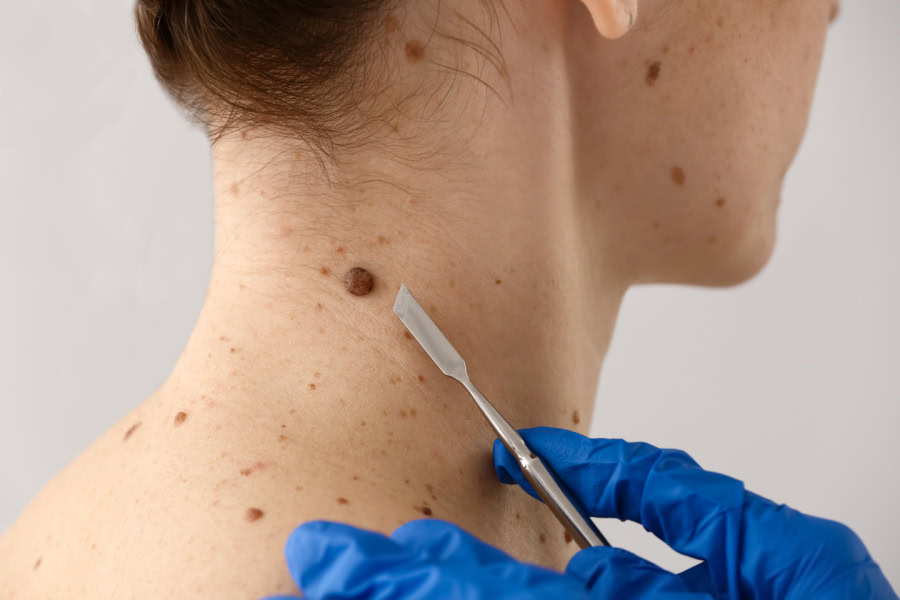
Skin lesion removal involves the surgical or procedural removal of moles, cysts, lipomas, skin tags, keloids, or other skin growths. Most lesions are benign (non-cancerous), but removal may be recommended if they are symptomatic, at risk of becoming cancerous, or for cosmetic reasons. At the Braham Institute, our dermatologists provide safe, effective treatments tailored to each patient.
Types of Skin Lesions Treated
The Braham Institute treats the following types of skin lesions:
-
Moles / Intra-Dermal Nevi – Small, dark spots that appear on the skin, often during childhood.
-
Cysts – Round lumps beneath the skin, which can become inflamed or infected.
-
Lipomas – Soft, fatty lumps that develop under the skin.
-
Keloids – Thick, raised scars that extend beyond the original injury site.
-
Skin Tags – Small, soft growths that appear in areas of friction.
-
Tattoo Removal (Surgical Excision) – Surgical removal of unwanted tattoos.
-
Basal Cell Carcinoma Treatment – Surgical excision of early-stage skin cancers.
When Skin Lesions Should Be Removed
Removal may be advised if: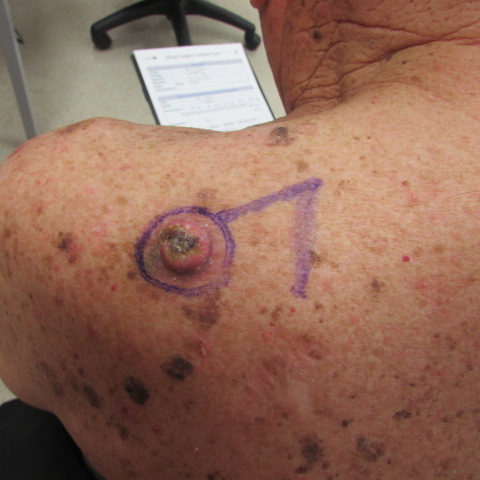
-
The lesion shows signs of cancerous change
-
It causes physical discomfort or interferes with daily life
-
You want it removed for cosmetic reasons
Your dermatologist will assess whether the lesion can be removed safely and explain the likely outcomes, including scarring.
Methods of Skin Lesion Removal
At the Braham Institute, shave excision and complete excision are the primary methods used:
Complete Excision
-
Used when there is any suspicion the lesion could be cancerous
-
The entire lesion, along with a margin of normal skin, is removed
-
Performed under local anaesthetic
-
Stitches close the wound, which is then dressed for healing
Shave Excision
-
Typically used for raised lesions such as skin tags, seborrhoeic keratoses, or small benign moles
-
The lesion is “shaved” level with the surrounding skin
-
Cautery may be used to stop bleeding and promote healing
These methods are precise, safe, and minimise damage to surrounding tissue while allowing for histological analysis if required.
Aftercare
-
Keep the area clean and dry for the first 48 hours or as instructed
-
Avoid picking at scabs or touching the wound
-
Follow any specific care instructions given by your dermatologist
-
Over-the-counter pain relief can be used if needed
Recovery
-
Minor surgical procedures typically heal within 1–2 weeks
-
Shave excisions or small excisions may leave minimal scarring
-
Patients can usually return to normal activities shortly after treatment
Side Effects
-
Temporary pain, swelling, or redness
-
Mild scarring at the treatment site
- In rare cases, pigmentation changes (lighter or darker skin patches)
Complications
While complications are uncommon, they can include:
-
Infection, requiring antibiotics
-
Prolonged bleeding
-
Numbness or altered sensation
-
Formation of keloid scars, particularly in those prone to them
Your dermatologist will advise on the best ways to reduce these risks, including the use of silicone gels, steroid treatments, or follow-up care.
Conclusion
At the Braham Institute, shave excision and complete excision remain the gold standard for safe and effective skin lesion removal. Whether for cosmetic reasons, comfort, or medical necessity, our dermatologists provide personalised care to achieve the best possible outcomes.
