

Tattoos are a beautiful way to express yourself — but for some people, they come with more than just ink. If you’re prone to keloids or thick scars, you might be wondering if it’s safe to get tattooed. Let’s dive into the complex relationship between keloids, scars, and tattoos, and explore how to prevent and treat complications.
What Is a Keloid?
A keloid is a raised scar that forms due to an overgrowth of collagen during the skin’s healing process. These scars extend beyond the original wound and can develop after any type of skin trauma, such as:
- Cuts or puncture wounds
- Burns or abrasions
- Acne lesions
- Insect bites
- Surgical incisions
- Body piercings
- Tattoos
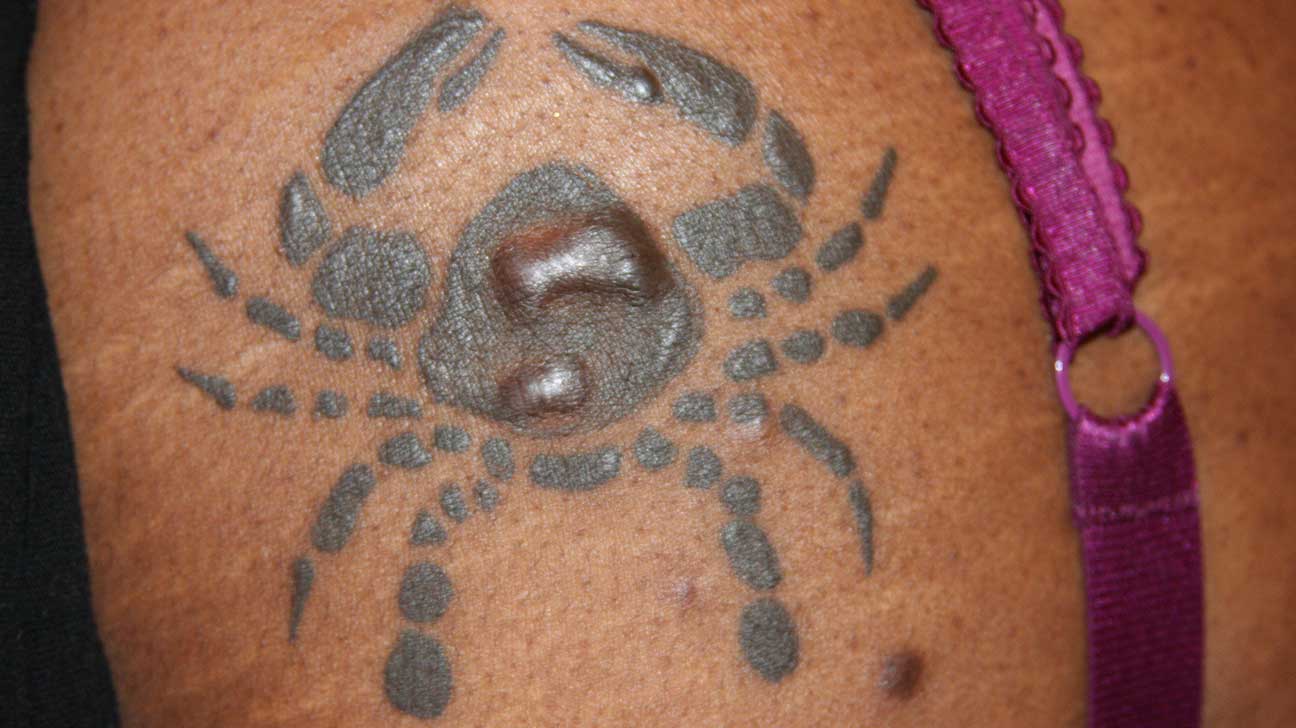
When you get a tattoo, tiny needles repeatedly puncture your skin, which can lead to scar formation in people who are prone to keloids.
What Does a Keloid Look Like?
Keloids are often:
- Firm, raised, and rubbery
- Shiny and smooth
- Pink, reddish, or darker than the surrounding skin
- Itchy or painful
They tend to grow wider and taller than the original injury and do not flatten or fade over time like typical scars.
| Feature | Keloid | Hypertrophic Scar |
|---|---|---|
| Size | Grows beyond wound | Stays within wound |
| Appearance | Thick, raised, shiny | Raised, but usually flatter |
| Fading | Doesn’t fade over time | Often fades with time |
| Cause | Genetic predisposition | Tension or irritation on healing wound |
Can You Get a Tattoo If You’re Prone to Keloids?
Yes, but proceed with extreme caution. People with keloid-prone skin can still get tattoos, but certain areas — such as the chest, shoulders, upper back, neck, and ears — are more likely to develop keloids.
Tips for Safer Tattooing:
- Start with a test spot using a dot or tiny line.
- Avoid high-risk areas.
- Discuss your history with your tattoo artist.
- Choose an experienced professional familiar with working on sensitive skin.
Can You Tattoo Over or Around a Keloid?
Tattooing over a keloid is possible but requires expertise. Known as scar tattooing, this technique can camouflage scars — but it must be done with care.
Wait at least one year after a keloid forms before tattooing over it.
Never tattoo over an active, growing keloid — it can make it worse.
Choose a tattoo artist skilled in working with scar tissue. In the wrong hands, the tattoo can aggravate the keloid and cause new scarring.
How Can You Prevent Keloids After a Tattoo?
If you’re getting a tattoo and want to reduce the risk of a keloid forming, here are a few strategies:
- Use pressure garments over the healing tattoo to minimize collagen overgrowth.
- Cover the tattoo in direct sunlight — UV rays can worsen scar formation.
- Once healed, apply silicone gel sheets or silicone-based creams to help flatten and fade raised scars.
- Keep the area clean and avoid irritation or friction.
What If a Keloid Forms After a Tattoo?
Early intervention is key. If you notice thickening or raised skin forming, act quickly:
- Apply pressure therapy using compression sleeves or garments.
- Use silicone gel sheets or patches to reduce scar tissue growth.
See a dermatologist experienced in tattoo-related keloids for evaluation and treatment.
Keloid Treatment and Removal Options
If a keloid forms over your tattoo and becomes uncomfortable or unsightly, medical treatments may help:
- Corticosteroid injections: Reduce inflammation and scar size over time.
- Cryotherapy: Freezes and shrinks the scar using liquid nitrogen (best for small keloids).
- Laser therapy: Helps lighten and flatten the scar, sometimes affecting tattoo ink.
- Surgical removal: Often combined with steroid injections or radiation to prevent regrowth.
- Radiation therapy: Used post-surgery to lower recurrence risk.
- Prescription creams like imiquimod (Aldara): May help prevent new keloids after removal.
💡 Important: Keloids often return even after treatment. Combining methods gives the best results. At The Braham Institute we combine surgical excision with steroid injections to give the best possible chance of avoiding recurrence.
Will Keloid Removal Affect My Tattoo?
Yes — depending on the treatment:
- Laser therapy may blur or lighten the tattoo ink.
- Surgery may alter the design if part of the ink is removed with the scar.
Always consult both a dermatologist and your tattoo artist if you plan to treat a tattooed area.
Can Keloids Grow Back After Removal?
Unfortunately, yes. Keloids are persistent:
- Up to 100% regrow after surgical removal alone.
- Steroid injections, cryotherapy, or radiation post-removal can help prevent recurrence.
A combination of treatments offers the best long-term outcome.
Final Thoughts: Should You Get a Tattoo If You’re Prone to Keloids?
Keloids aren’t dangerous, but they can affect your skin’s appearance and, in some cases, limit movement. If you’re prone to keloids, it’s not an automatic “no” — but you’ll need to proceed carefully.
🔍 Do your research, talk to experienced professionals, and take preventative steps to protect your skin.
If you ever develop a keloid or are concerned about scarring from a tattoo, book a free consultation at The Braham Institute for guidance and treatment options.
