

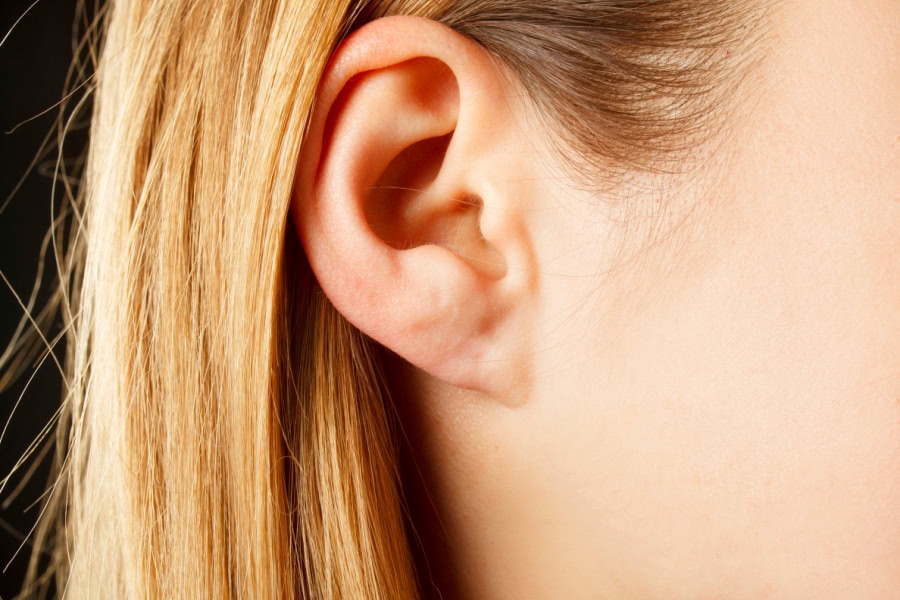
A lump in the earlobe is often a harmless, benign cyst. There are two main ways to treat it: draining the cyst or removing it surgically. In many cases, the most effective option is surgical removal, which is typically done under a local anaesthetic. During this procedure, the doctor makes a small incision and removes the abnormal tissue entirely.
Another option is to drain the cyst by removing the fluid inside. This method is quicker and less invasive, but it carries a higher chance of the cyst returning, as the cyst wall remains in place.
Some benign cysts may disappear on their own without treatment. However, it’s important to monitor the lump for any changes in size, shape, or colour—these could be signs that you should consult a doctor for further evaluation.

What Is a Cyst?
A cyst is a small, sac-like pocket of skin or tissue that contains air, fluid, or a thick, white substance called keratin. These cysts typically form just beneath the skin and are usually harmless.
Cysts often develop when skin cells, instead of shedding naturally, begin to multiply and become trapped under the surface of the skin. These cells then form a thin wall around themselves, creating a cyst. They can also occur in hair follicles if the outer layer of skin becomes irritated or damaged. This type of cyst is commonly known as an epidermoid cyst or epidermal inclusion cyst.
While anyone can develop an epidermoid cyst, certain factors can increase the risk:
-
Age – Cysts are uncommon in babies and young children. They’re more likely to appear after puberty.
-
Genetics – Rare genetic conditions such as Gardner syndrome, which causes growths in the colon and other parts of the body, can make cysts more likely.
-
Acne – People with a history of acne are more prone to cyst formation due to clogged pores and inflamed skin.
-
Injury – Trauma to the skin can cause cells to behave abnormally, embedding themselves deeper into the skin layers and forming cysts.
Epidermoid cysts are more common in men than women, but they can affect anyone regardless of age or gender.
What Do Earlobe Cysts Look Like?
Earlobe cysts, also known as epidermoid cysts, usually appear as small, round, smooth lumps beneath the skin of the earlobe. Their colour can range from your natural skin tone to a noticeable red hue, especially if irritated or inflamed.
These cysts are typically about the size of a pea, but it’s important to monitor any changes in size, as rapid growth may indicate the need for medical attention.
If a cyst becomes damaged or bursts, it may release a thick, white substance known as keratin—a protein naturally found in skin, hair, and nails.
Most earlobe cysts are benign and generally don’t cause discomfort, apart from being a minor cosmetic concern. However, in some cases, a cyst may become infected. Signs of an infected cyst can include:
-
Redness and inflammation around the lump
-
Swelling, tenderness, or pain
-
Pus or a boil-like appearance if the cyst ruptures
If you notice any of these symptoms, it’s best to consult a healthcare professional.
Why Do I Have a Lump in My Earlobe?
A lump in your earlobe is often caused by a cyst, which forms when skin cells that should naturally shed instead become trapped beneath the surface. These cells begin to multiply and create a sac-like structure, which produces and fills with keratin, a protein found in skin, hair, and nails.
Other potential causes of earlobe cysts include:
-
Blocked or damaged hair follicles
-
Clogged oil glands
-
Genetics – cysts can sometimes run in families
In some cases, a cyst may develop without any clear reason. While they can be a nuisance or a cosmetic concern, earlobe cysts are usually harmless and not a cause for worry.
When Should I See a Professional About My Earlobe Cyst?
In most cases, a lump on your earlobe is a harmless cyst that may resolve on its own without the need for treatment. However, it’s important to monitor it for any changes that could suggest a need for medical attention.
You should consult a doctor if your cyst:
-
Starts to grow significantly (a small amount of growth can be normal)
-
Becomes painful or uncomfortable
-
Interferes with your hearing
-
Changes colour or appears red and inflamed
Any of these signs could indicate an infection or another underlying issue, so it’s best to have a healthcare professional assess it for proper diagnosis and treatment.
How Long Does It Take for a Lump in Your Ear to Go Away?
Benign earlobe cysts often disappear on their own, but the time it takes can vary widely from person to person. In some cases, a cyst may shrink and resolve within a few weeks, while others may persist for months.
The healing time depends on factors such as the size of the cyst, whether it’s become irritated or infected, and how your body responds. Sometimes, a cyst won’t go away without medical treatment.
It’s a good idea to monitor the lump closely. If it doesn’t improve, continues to grow, or shows signs of infection, you should seek advice from a healthcare professional.
How Do You Get Rid of a Cyst in Your Earlobe?
While it might be tempting to pop a cyst yourself, this is strongly discouraged—it can lead to infection, scarring, and make the problem worse. Instead, applying a warm compress to the area may help reduce swelling and encourage natural drainage.
If the cyst doesn’t heal on its own, the most effective long-term solution is surgical removal, which is typically done under local anaesthetic. This involves making a small incision to remove the entire cyst, including the sac, which significantly reduces the risk of it coming back.
Another option is draining the cyst, where the fluid inside is removed. This method is quick and minimally invasive, but since it doesn’t remove the cyst wall, there’s a higher chance it will return.
Earlobe cysts are usually benign and often resolve without treatment. However, if the lump grows, becomes painful, affects your hearing, or shows signs of infection, it’s best to book an appointment with your GP to explore your treatment options.
How Do I Get Rid of a Lump in My Earlobe Piercing?
Lumps that develop around an earlobe piercing are often caused by excess scar tissue, known as keloids. These occur when the body overreacts to the injury and produces too much collagen during the healing process. As a result, a raised bump or thickened area forms, often larger than the original piercing itself.
Unfortunately, keloids do not go away on their own. While some treatments like silicone gels or steroid injections may help reduce their size, surgical removal is usually required for permanent results. If you suspect a keloid has formed, it’s best to consult a medical professional to discuss the most suitable treatment options.
How we can Help at The Braham Institute
Dr Braham at The Braham Institute offers expert care for earlobe cysts, which are common fluid- or keratin-filled lumps beneath the skin. While usually harmless, cysts can become painful, inflamed, or affect appearance, making professional removal necessary. Dr Braham, a UK-trained plastic surgeon with over 20 years of experience, routinely performs precise surgical excision under local anaesthetic to remove the entire cyst and its sac, reducing the risk of recurrence. This minimally invasive procedure is quick, allows same-day discharge, and includes personalised aftercare to promote healing and minimise scarring. As cyst removal is often considered cosmetic and not always available on the NHS, The Braham Institute provides a trusted private option for effective treatment and lasting results. Dr Braham has vast experience in the removal of skin lesions and ensures the utmost care and precision across all of his procedures. Book your consultation here to find out more.
