

Home > Cosmetic Surgery >
Gynaecomastia Surgery
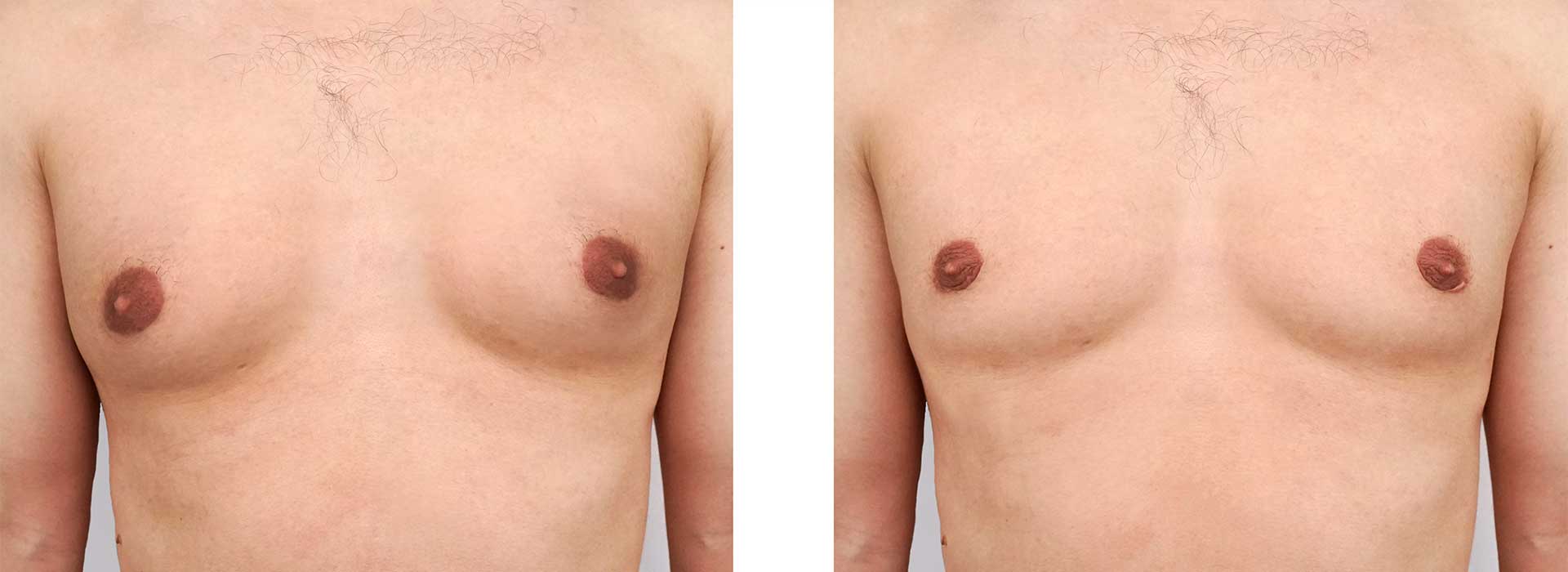
At The Braham Institute, male breast reduction surgery offers an effective, long-lasting solution for gynaecomastia—a common condition where men develop enlarged breast tissue, often resulting in a softer or more feminised chest appearance. This specialised procedure is designed to remove excess fat and glandular tissue, helping to create a flatter, firmer, and more sculpted chest contour. Treatment involves a combination of VASER liposuction and targeted excision to restore a more masculine chest shape. The procedure is performed under local anaesthetic for a comfortable and low-risk experience with minimal downtime
What is Gynaecomastia Surgery?
Gynaecomastia is a condition where men develop enlarged breast tissue. This condition, caused by hormonal imbalances, weight gain, certain medications and drugs, or medical conditions, affects men of all ages—from teenagers undergoing puberty to older men experiencing hormonal changes and increased body fat.
While lifestyle changes may reduce fatty tissue, glandular breast tissue often remains resistant, making surgery the most effective option.
There are various forms of Gynaecomastia. Some individuals experience only puffy glands, which result from an enlargement of the mammary gland. In such instances, the patient will require gland reduction only. Other individuals may have large mammary glands accompanied by excess fat; in these cases, the patient will need both gland reduction and liposuction.
Finally, there are patients who exhibit both an overgrowth of the gland and excess fat, along with sagging skin. This condition necessitates liposuction, as well as reduction of the gland and skin.

Speak to a Patient Coordinator
Leave your details and we’ll call you back to discuss your options and next steps.

What happens during Gynaecomastia Surgery?
Gynaecomastia surgery, commonly referred to as male breast reduction, is a prevalent procedure aimed at eliminating excess breast tissue and fat in men, resulting in a flatter, firmer, and more masculine chest, which enhances physical comfort and boosts self-confidence. Candidates must be over 18 years old and in good health to qualify for the procedure. At The Braham Institute, the surgical approach depends on the type of Gynaecomastia.
It will certainly utilize the excision method, especially for patients with significant glandular breast tissue that cannot be effectively treated with liposuction alone. This technique emphasizes the surgical removal of glandular tissue through a subtle incision around the areola’s edge, which helps to minimize visible scarring. The excision method enables precise extraction of dense breast tissue, leading to a flatter and more masculine chest contour.
Excess fat can be effectively managed with liposuction. For patients with additional droopy skin, this will be addressed using a skin reduction breast lift technique.
Gynaecomastia surgery is performed under local anaesthetic and typically takes between 1 to 3 hours, depending on the size and severity of the condition.
Following the procedure, Dr Braham and our dedicated cosmetic nursing team will provide detailed aftercare instructions to ensure the best possible results. Most patients can return to work within a week and achieve full recovery within six weeks.
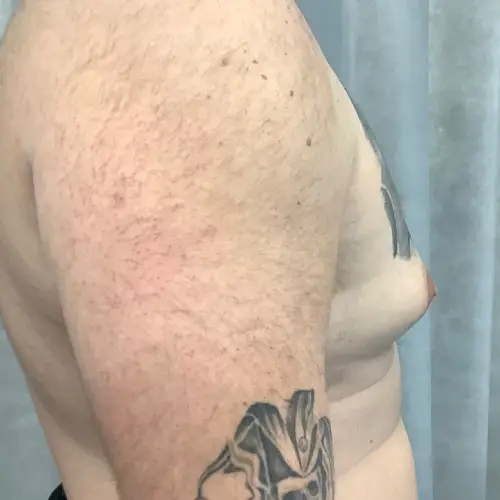
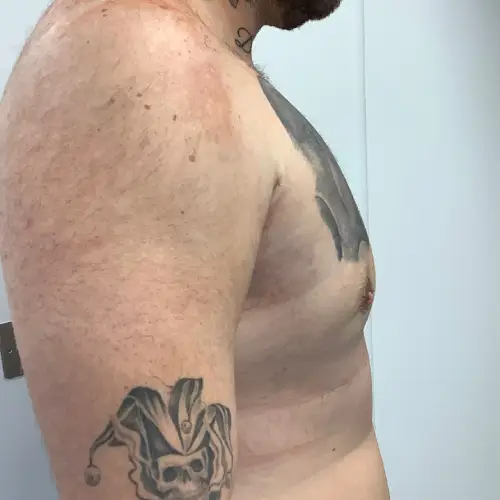
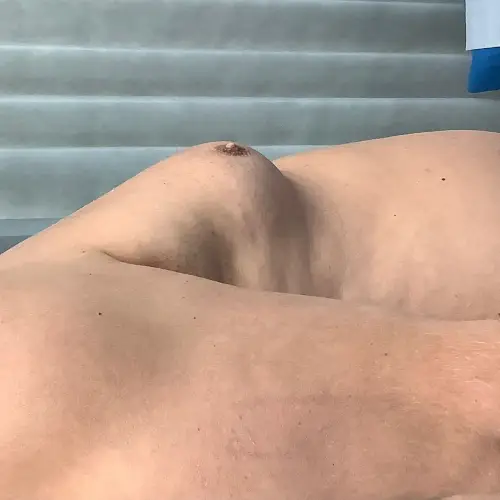
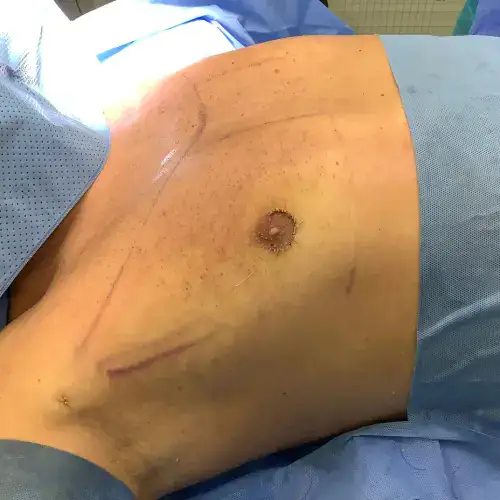
Gynaecomastia Surgery Before and Afters
What are the Risks?
95% of Dr. Braham’s cases proceed without complications; however, complications may occur and can include:
- Bleeding or hematoma
- Infection
- Scarring
- Changes in nipple sensation
- Asymmetry
- Fluid accumulation
- Poor wound healing
- Contour deformities
- Recurrence of gynaecomastia if underlying causes are not addressed
- Dissatisfaction with cosmetic results
What is the Aftercare Process?
Post-Surgery Discomfort: Mild pain, tightness, and discomfort are normal for the first few days after gynaecomastia surgery. These can usually be managed with prescribed or over-the-counter pain relief. Swelling and bruising are expected but will gradually improve.
Initial Results: Most men see 70–80% of their results immediately after surgery. As swelling subsides over weeks and months, the chest will become flatter, firmer, and more contoured.
Movement: Gentle movement like light walking is encouraged within a couple of days to boost circulation and aid healing. Avoid high-impact activities.
Bathing: Normal bathing, including showers, is usually safe about seven days after surgery, but avoid soaking incisions in baths, pools, or hot tubs until fully healed.
Compression Vest: Wear a compression vest day and night for 6 to 8 weeks. This supports healing, reduces swelling, maintains chest shape, and prevents fluid buildup. Only remove briefly for showers unless otherwise advised.
Incision Care: Keep incisions clean and dry. Follow your surgeon’s instructions for cleaning, ointments, and dressing changes. Avoid touching or disturbing the healing skin.
Additional Tips: Sleep on your back with your upper body elevated, avoid strenuous exercise and heavy lifting for 4 weeks, stay hydrated, eat well, and avoid smoking or alcohol.
Recovery Outlook: Most patients resume light activities within days and normal routines over weeks. Consistent aftercare is vital for smooth healing and lasting results.
Frequently Asked Questions
What is gynaecomastia surgery?
Gynaecomastia surgery, or male breast reduction, is a procedure that removes excess breast tissue in men to create a flatter, more masculine chest contour.
Who is a good candidate for gynaecomastia surgery?
Ideal candidates are men over 18 with persistent excess breast tissue causing discomfort or self-consciousness, and who are in good overall health.
What is the recovery process like?
Patients can expect some soreness for a few days, return to light activity within a couple of days, and full recovery in about six weeks while wearing a compression vest for 6 to 8 weeks.
Will there be scars?
Incisions are made around the areola and are designed to be discreet. Over time, scars typically fade and become less noticeable.
Can I return to work quickly?
Most patients take about one week off work, depending on the physical demands of their job.
Is gynaecomastia surgery covered by the NHS in London?
NHS coverage is no longer available, so patients opt for private treatment from a trusted and experienced clinic
