

Home > Cosmetic Surgery >
Eyelid Surgery (Blepharoplasty) London
- 82 Harley Street, London
- Award Winning Plastic Surgeon
- 20+ Years Experience
- Exceptional Eyelid Surgery Outcomes
Eyelid reduction (blepharoplasty) is a surgical procedure that removes loose skin and fat excess around the eyes. Dr. Braham possesses extensive expertise in eyelid reduction surgery, which is among his favourite procedures to perform. He is dedicated to achieving exceptional surgical results with minimal scarring, helping to restore confidence and a naturally youthful appearance, making him the perfect choice for anyone contemplating this surgery at a state-of-the-art facility.
What is Eyelid Surgery (Blepharoplasty)?
Blepharoplasty, or eyelid reduction surgery, removes excess skin and fat from the upper or lower eyelids to restore a refreshed, youthful look. It addresses issues like droopy eyelids, puffiness, and tired-looking eyes.
Aging causes skin to lose collagen and elasticity, leading to sagging, wrinkles, and puffiness around the eyes. This results in heavy folds on upper lids that can block vision, and bags on lower lids from fat shifting forward, creating a tired appearance. Upper eyelid surgery removes excess skin to improve vision, while lower eyelid surgery reduces puffiness and smooths lines.
Many choose this surgery to regain a refreshed look and boost confidence. Reasons for blepharoplasty include age-related changes, visual obstruction, genetic hooded lids, lifestyle factors accelerating aging, and psychological benefits. It can be done alone or with facelifts or brow lifts for fuller rejuvenation.
Ideal candidates are over 18, healthy, without serious eye conditions, and have realistic expectations. Pre-op assessment reviews medical history, lifestyle, and eyelid anatomy to tailor the plan.
Why Choose The Braham Institute for your Eyelid Surgery in London?
At The Braham Institute, we combine medical expertise with a commitment to excellence in patient care. Eyelid reduction surgery (blepharoplasty) is one of our most sought-after procedures, performed by leading plastic surgeon Dr. Braham Ouali. With over 20 years of experience, Dr. Braham is renowned for his precision, artistry, and personalised approach.
As one of Dr. Braham’s signature procedures, eyelid surgery is carried out with a focus on achieving natural, youthful results while minimising scarring and recovery time. Whether you’re looking to restore a refreshed appearance or improve vision affected by drooping eyelids, Dr. Braham tailors each surgery to the individual, respecting facial harmony and your personal goals.
Performed in our state-of-the-art London facility, eyelid surgery at The Braham Institute is done under local anaesthetic for a safer, faster recovery and same-day discharge. From consultation to aftercare, you’ll receive compassionate, expert support every step of the way.
Choosing The Braham Institute means choosing trusted hands, advanced techniques, and exceptional outcomes.

What to Expect from your Procedure
Blepharoplasty in London, also known as eyelid reduction surgery, is a highly effective cosmetic and functional procedure designed to rejuvenate the appearance of the eyes by removing excess skin and fat from the eyelids. It can also improve vision when drooping eyelids obstruct the upper visual field. At the Braham Institute, we use surgical excision to remove excess skin and fat. The surgery is performed under local anaesthetic, numbing the area around the eyes so patients remain awake without pain or discomfort. This approach allows for a quicker recovery, fewer side effects, and same-day discharge.
The procedure typically lasts between 60 – 90 minutes. Most blepharoplasties are day-case surgeries, with patients going home the same day and given detailed aftercare instructions.
We provide blepharoplasty to suit different needs, including removal of excess skin and fat to restore a youthful and refreshed look, reduce puffiness and under-eye bags, or create a defined eyelid crease for those seeking a double eyelid effect. Every procedure is personalised to achieve natural, balanced results while respecting each patient’s unique features and preferences.
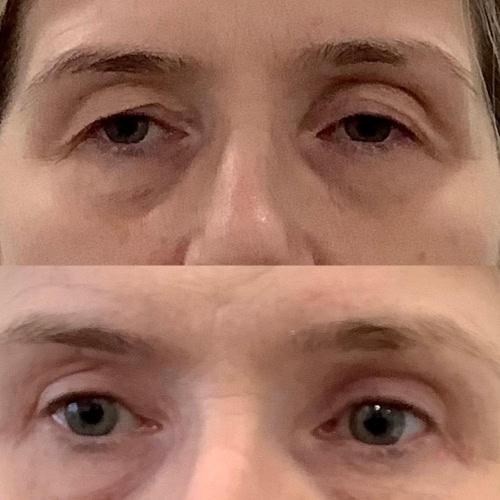
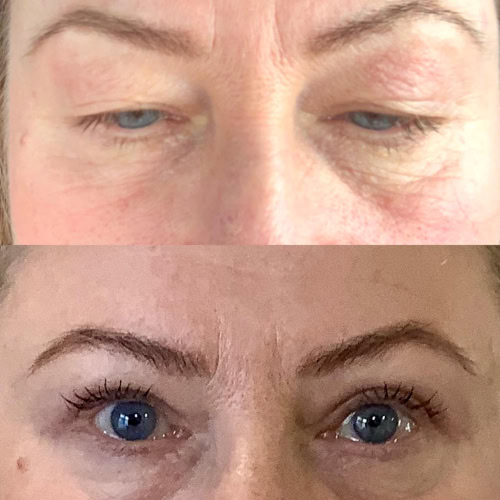
Eyelid Surgery (Blepharoplasty) Before and Afters



Who is Suitable for Eyelid Surgery (Blepharoplasty) in London?
Blepharoplasty is a highly effective procedure for both men and women looking to refresh and rejuvenate the eye area. While most patients are over the age of 40 and beginning to notice signs of ageing—such as sagging skin or puffiness—some younger individuals in their 20s or 30s may also benefit due to hereditary traits like under-eye bags or excess eyelid skin.
You may be a suitable candidate for eyelid surgery if you have:
-
Noticeable drooping or sagging of the upper eyelids
-
Puffiness or bags under the eyes
-
Wrinkled or loose skin around the eyes
-
A consistently tired or aged appearance
-
Dark circles beneath the eyes
-
Good overall health and realistic expectations
Which Areas can be Treated?
Upper Eyelids – Removes excess or sagging skin and fat to restore a more youthful, refreshed appearance. In some cases, it can also improve vision by lifting heavy lids.
Lower Eyelids – Targets under-eye bags, hollowness, and dark circles. The procedure may involve removing or repositioning fat to smooth the area and achieve a more rested, rejuvenated look.
Which Concerns Can Blepharoplasty Address?
Droopy Eyelids – Lifts and tightens sagging upper lids to create a more youthful, alert appearance.
Eye Bags – Removes or repositions fat beneath the eyes to reduce puffiness and smooth the under-eye area.
Excess Eyelid Skin – Eliminates surplus skin on the upper or lower lids, enhancing both appearance and comfort.
Loose Skin Around the Eyes – Reduces wrinkled or sagging skin surrounding the eyes for a more refreshed and open look.
Vision Obstruction from Sagging Skin – Lifts drooping upper eyelid skin that may be impairing vision, improving the visual field.
Hooded Eyes – Removes excess upper lid skin to reduce heaviness and define the crease, giving the eyes a brighter, more open look.
How Long do the Results of a Blepharoplasty Last?
Blepharoplasty offers long-lasting, natural-looking results that can significantly rejuvenate the appearance of the eyes. While the procedure can make you look more refreshed and youthful, it doesn’t stop the natural ageing process altogether.
For most patients, the results typically last between 10 to 15 years. Many find the outcome so effective that they never feel the need for a second procedure.
Speak to a Patient Coordinator
Leave your details and we’ll call you back to discuss your options and next steps.

What are the Risks?
95% of Dr. Braham’s cases proceed without complications; however, complications may occur and can include:
- Infection
- Bleeding
- Scarring
- Asymmetry
- Unsatisfactory cosmetic results
- Difficulty closing the eyes completely
- Ectropion
- Entropion
- Dry eye syndrome
- Damage to eye muscles and Blindness (rare)
- Temporary or permanent vision changes (extremely rare)
What is the Aftercare Process?
Discharge: You will be allowed home shortly after your procedure.
Aftercare Importance: Proper aftercare is essential for the best blepharoplasty results. The Braham Institute provides expert guidance and dedicated follow-up throughout your recovery.
Activity Restrictions: Avoid strenuous activities for 4 weeks. Refrain from wearing makeup or contact lenses until your surgeon gives the go-ahead.
Eye Protection and Wellness: Protect your eyes from wind and dust during healing. Stay hydrated and maintain a healthy diet to support tissue repair. Be patient, as final results may take several weeks to fully settle.
Post-Surgery Symptoms: Mild discomfort, swelling, bruising, blurred vision, and watery or dry eyes are common immediately after surgery. These symptoms usually improve within 1–2 weeks with pain relief and cold compresses.
Medications and Care Instructions: You may be prescribed antibiotic eye ointment, pain relief, and lubricating eye drops for dryness. Keep incisions clean and dry, avoid rubbing your eyes, wear sunglasses outdoors, and sleep on your back with your head elevated.
Follow-Up Appointment: Around one week post-surgery, sutures will be removed, incisions cleaned and assessed, and you’ll receive further wound care and activity advice.
Additional Support: This visit also provides a chance to discuss scar care, long-term results, and any additional treatments to enhance your blepharoplasty outcome.
Eyelid Surgery (Blepharoplasty) London – Frequently Asked Questions
What is blepharoplasty and what does it treat?
Blepharoplasty is a cosmetic surgical procedure that removes excess skin and fat from the upper and/or lower eyelids. It is commonly used to address droopy eyelids, eye bags, and hooded eyes, and in some cases, it can also improve vision obstructed by sagging upper eyelids.
Am I a good candidate for blepharoplasty?
You may be a suitable candidate if you have sagging or puffy eyelids that affect your appearance or vision, are in good general health, and have realistic expectations. A consultation at the Braham Institute will include a full assessment to determine if this procedure is right for you.
How long does blepharoplasty surgery take?
The procedure typically takes between 60 to 90 minutes, depending on whether you’re having upper eyelid surgery, lower eyelid surgery, or both. If combined with other facial procedures, the surgery may take longer.
Will I have visible scars after blepharoplasty?
Scarring is usually minimal and well hidden within the natural creases of the eyelids. With proper care, scars tend to fade significantly over time and are often barely noticeable.
Is the procedure painful?
Blepharoplasty is performed under local anaesthetic, so you will feel no pain during the surgery. After the procedure, you may experience some mild discomfort or tightness, which is easily managed with prescribed pain relief.
How long do the results last?
The results of blepharoplasty are long-lasting. Many patients enjoy the benefits for ten years or more. However, the natural ageing process will continue, and some minor changes may occur over time.
