

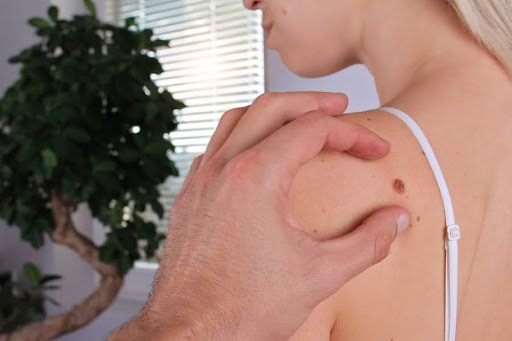
What Is Mole Removal?
Mole removal is a minor medical procedure used to eliminate moles or other skin lesions for medical or cosmetic reasons. Techniques may include surgical excision, laser treatment, or shave removal, depending on the type and location of the mole.
This blog explores when the NHS will remove a mole, how the process works, and why some people opt for private treatment instead.
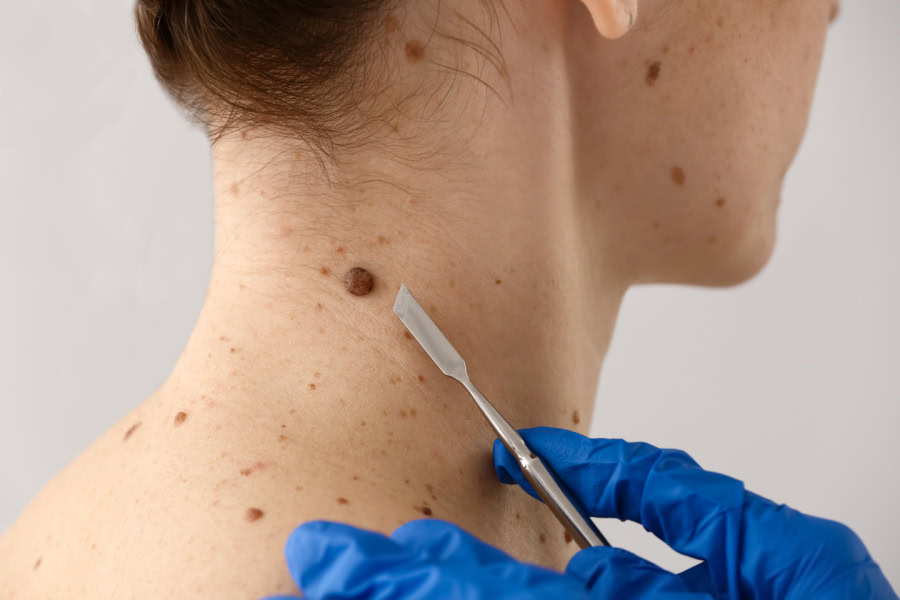
Moles are a common type of skin growth, and most people have at least a few. While many moles are harmless, some may become irritated, change in appearance, or raise concerns about skin cancer. If you’re wondering whether you can have a mole removed through the NHS, the answer is: yes — but only under certain conditions.
This blog explores when the NHS will remove a mole, how the process works, and why some people opt for private treatment instead.
When Will the NHS Remove a Mole?
The NHS will generally remove a mole only if it meets specific medical criteria. This is because NHS resources are prioritised for essential healthcare needs. You may qualify for mole removal on the NHS if:
- The mole is suspected to be cancerous or pre-cancerous
In these cases, removal is urgent and typically fast-tracked. A biopsy may be performed to confirm a diagnosis of melanoma or another type of skin cancer. - The mole is required for further diagnostic testing
Even if not confirmed as cancerous, a mole may be removed if there is medical uncertainty that requires lab analysis. - The mole causes physical symptoms or disrupts daily life
Moles that catch on clothing, bleed, become irritated, or cause discomfort may also be eligible for NHS removal—especially if they interfere with your quality of life. - There is a history of skin cancer or high risk of malignancy
Individuals with a personal or family history of melanoma may be more closely monitored and have suspicious moles removed preventatively.
It’s important to note that the NHS does not routinely remove moles for cosmetic reasons.
How Do You Get a Mole Removed on the NHS?
The first step is to see your GP, who will assess the mole and determine whether it meets the NHS criteria for removal. If there is concern about skin cancer, you’ll be referred to a dermatologist or specialist for further investigation.
If the mole is deemed benign and not medically necessary to remove, you may be advised to monitor it or consider private treatment if you wish to have it removed for cosmetic reasons.
Why Do Some People Choose Private Mole Removal?
While the NHS provides excellent care for medically necessary mole removals, it can be difficult to access treatment for non-urgent or cosmetic reasons due to resource limitations. Many patients consider private treatment for reasons such as:
- Faster appointments – No long waiting lists; you may be seen within days.
- Greater flexibility – Choose your provider, location, and time of treatment.
- Immediate peace of mind – Rapid assessment and removal reduce anxiety around unusual moles.
Cosmetic focus – Private providers may use advanced techniques that minimise scarring and are better suited to high-visibility areas like the face or neck.
Should I Be Worried About a Mole?
Most moles are harmless, but you should seek medical advice immediately if you notice:
- A mole that changes in size, shape, or colour
- A mole with irregular or asymmetrical borders
- Multiple colours within one mole
- Itching, bleeding, or crusting
- Rapid growth or a raised texture
The ABCDE rule is a helpful guide:
- Asymmetry
- Border irregularity
- Colour variation
- Diameter larger than 6mm
- Evolution (change over time)
If you’re concerned about a mole, a GP or dermatologist can assess it and advise whether removal or further investigation is necessary.

How Much Does Private Mole Removal Cost in the UK?
Private mole removal in the UK can range from £150 to £3,000, depending on factors like:
- The number of moles being removed
- The size and depth of each mole
- The location of the mole (e.g. face vs. body)
- The type of removal technique used (e.g. laser, surgical excision)
- The experience and qualifications of the medical professional
On average, you can expect to pay around £500 to £1,000 per mole, with discounts often available for multiple removals in one session.
Final Thoughts
If you’re considering mole removal, it’s important to have any concerning moles evaluated by a healthcare professional—especially if they show signs of change. While the NHS covers mole removal when medically justified, private treatment offers faster access and broader options for those seeking cosmetic improvements or quicker reassurance.
Whether you choose NHS or private care, the priority should always be your health and peace of mind. At the Braham Institute, we offer a free consultation to our patients to assess their personalised needs so that you achieve the best and most long lasting results possible. Book your free consultation Here.
